Teaching children to respect differences is an essential aspect of their development.
In a world that is beautifully diverse, fostering an appreciation for the unique qualities of others can help children grow into empathetic and understanding adults.
This journey begins at home and extends into their interactions at school, in the community, and beyond.
Understanding diversity is not just about acknowledging various cultures, races, or abilities; it encompasses the myriad of perspectives, experiences, and backgrounds that make each person unique. When children learn to respect these differences, they open themselves up to richer relationships and a more profound understanding of the world around them.
A gentle introduction to diversity can begin in the home. Parents can create an environment that celebrates individuality by incorporating diverse books, music, and art into their daily lives. Storytime can be a wonderful opportunity to introduce characters from different cultures, showcasing their unique traditions and experiences. By sharing these stories, children can begin to see the world through someone else’s eyes, which is a vital step toward fostering empathy.
The conversations that spring from these stories are just as important as the narratives themselves. Engaging children in discussions about the characters, their lives, and the challenges they may face can encourage critical thinking. Questions such as, “What do you think it would be like to walk in their shoes?” can spark meaningful dialogue. This not only helps children understand different perspectives but also teaches them to approach differences with curiosity and respect.
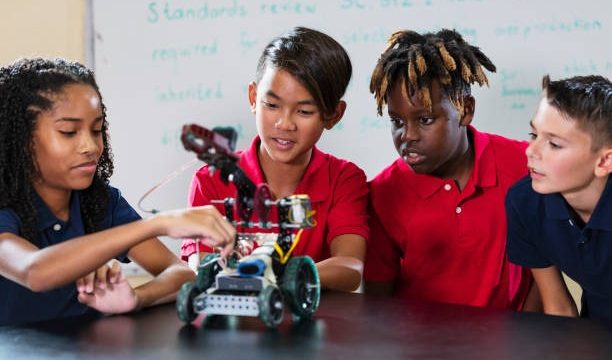
As children grow, their social circles expand. School is often the first place where they interact with peers from various backgrounds. Here, the lessons learned at home can be reinforced. Encouraging children to embrace friendships with classmates who have different perspectives, cultures, or abilities can enhance their social experiences. This doesn’t mean forcing friendships, but rather creating opportunities for children to engage with others in a natural and comfortable manner.
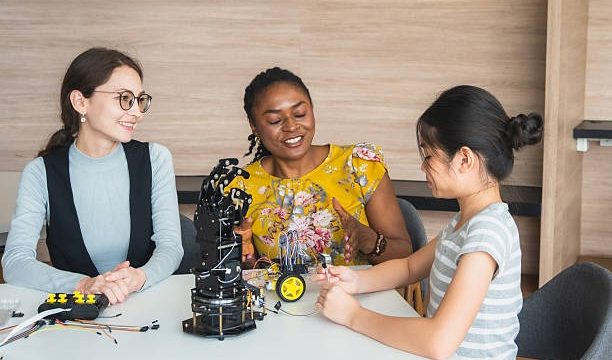
Parents can facilitate this by arranging playdates or group activities that encourage children to work together. Team sports, arts and crafts, or community service projects can be excellent ways for children to bond. Through shared experiences, they learn to appreciate the strengths and talents of others, which can break down barriers and foster mutual respect.
In addition to promoting friendships, it’s crucial to discuss the importance of inclusivity. Children should understand that everyone deserves to be treated with kindness and respect, regardless of their differences. When they witness or hear about exclusion or bullying, parents can use these moments as teachable opportunities. Discussing what happened and how it made others feel can help children develop empathy and encourage them to stand up for their peers.
Creating an inclusive environment at home and in schools also involves modeling respectful behavior. Children learn a significant amount from observing adults. When parents and educators demonstrate kindness and understanding toward individuals from different backgrounds, children are likely to mimic these behaviors. Simple acts, such as speaking positively about others or showing appreciation for diverse cultures, can have a profound impact on how children perceive and treat those who are different from them.
Encouraging open-mindedness is another vital aspect of teaching respect for differences. Children should be reminded that it’s okay to ask questions and seek to understand. Curiosity can lead to deeper connections and a greater appreciation for diversity. Instead of shying away from difficult conversations about race, gender, or ability, parents can guide their children in exploring these topics in a safe and supportive environment.
Encouraging travel or cultural experiences can also be beneficial. Whether it’s visiting a local cultural festival, exploring new cuisines, or learning a few words in a different language, these experiences can enrich a child’s understanding of the world. They can see firsthand how diverse communities celebrate their heritage, which can foster a sense of appreciation and respect.
As children navigate their formative years, it’s essential to instill the idea that differences should not be viewed as obstacles but rather as opportunities for growth and learning. Encouraging them to embrace their own uniqueness can also help them appreciate the uniqueness of others. When children feel confident in who they are, they are more likely to accept and respect others.
Creating a culture of respect for differences is not a one-time conversation but an ongoing journey. As children encounter new experiences, challenges, and relationships, the lessons of respect and understanding will continue to evolve. It’s important for parents and educators to remain engaged and supportive throughout this process, offering guidance and encouragement along the way.
In conclusion, teaching children to respect differences is a vital part of nurturing empathy and understanding in our diverse world. By introducing them to diverse stories, encouraging inclusive friendships, and modeling respectful behavior, we can help cultivate a generation that embraces differences with open hearts and minds. As they grow and learn, they will carry these lessons with them, contributing to a more compassionate and accepting society. With patience and love, we can guide our children toward a future where respect for differences is the norm, enriching their lives and the lives of those around them.