Helping Children Build Foundational Skills
As parents, caregivers, and educators, we often find ourselves pondering the best ways to help children grow and thrive.
In today’s fast-paced world, building foundational skills is more important than ever.
These essential skills serve as the building blocks for a child’s future success, impacting their learning, social interactions, and emotional well-being. By nurturing these skills early on, we can create a supportive environment that fosters growth and resilience.
Creating a nurturing environment is the first step in helping children develop foundational skills. Children thrive when they feel safe and secure, allowing them to explore their surroundings and engage with others. This sense of security can be fostered through consistent routines, open communication, and a loving atmosphere. When children know they can rely on their caregivers, they are more likely to take risks, try new things, and develop confidence in their abilities.
Play is a natural and powerful vehicle for learning. Through play, children can practice problem-solving, develop social skills, and explore their creativity. Whether it’s building with blocks, engaging in role play, or participating in team sports, play offers countless opportunities for children to learn in a fun and engaging way. Encouraging unstructured playtime allows children to make their own choices and learn from their experiences, paving the way for independence and critical thinking.
A gentle shift towards balance is important when it comes to screen time. In our digital age, screens are a prominent part of children’s lives. While technology can provide educational benefits, it’s essential to find a healthy balance. Setting aside time for screen-free activities, such as reading, outdoor play, or family games, can help children develop essential interpersonal skills and foster their imagination. Engaging in these activities together strengthens bonds and creates lasting memories, while also promoting a more well-rounded development.
Language and communication skills are vital components of a child’s foundational skill set. Encouraging children to express themselves verbally from a young age can significantly enhance their vocabulary and comprehension. Reading together is one of the most effective ways to promote language development. By sharing stories, asking questions, and discussing the plot, children learn to articulate their thoughts and feelings. Additionally, engaging in conversations about their day, interests, and emotions helps children feel valued and understood, enhancing their social skills.
Emotional intelligence is another crucial skill for children to develop. Teaching children to recognize and manage their emotions can lead to healthier relationships and better decision-making. Simple practices, such as naming feelings and discussing appropriate responses, can be incredibly beneficial. Role-playing different scenarios can also help children understand how to navigate their emotions and empathize with others. By fostering emotional intelligence, we equip children with the tools they need to handle life’s challenges with grace and resilience.
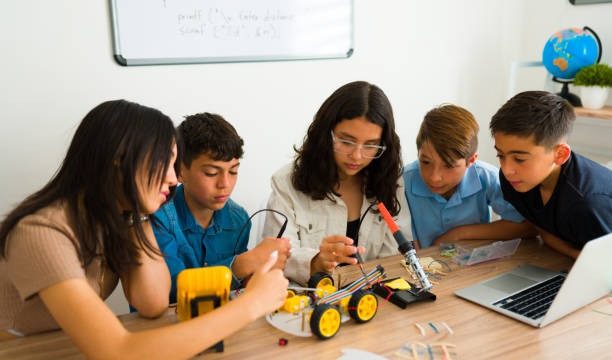
As children grow, they begin to navigate the complexities of social interactions. Encouraging cooperative play and teamwork can significantly enhance their social skills. Activities that require collaboration, such as group projects or team sports, provide opportunities for children to practice communication, negotiation, and conflict resolution. These experiences teach children the importance of listening to others, sharing ideas, and understanding different perspectives. As they learn to work together, they also build a sense of community and belonging.
Promoting a growth mindset is essential for helping children develop resilience. A growth mindset is the belief that abilities and intelligence can be developed through dedication and hard work. Encouraging children to embrace challenges, learn from mistakes, and celebrate their efforts fosters a love for learning. Praise should focus on their effort and perseverance rather than solely on outcomes. This approach helps children understand that setbacks are a natural part of the learning process and that perseverance is key to achieving their goals.
Routine and responsibility are also important elements of foundational skill development. Involving children in daily tasks, such as meal preparation or cleaning, not only teaches them valuable life skills but also instills a sense of responsibility. As they take on age-appropriate chores, children learn to manage their time and work towards completing tasks. This sense of accomplishment builds their confidence and reinforces the idea that they can contribute meaningfully to their environment.
Another dimension of foundational skill development is creativity. Encouraging children to explore their artistic side can stimulate imagination and innovation. Whether through drawing, painting, or crafting, creative activities allow children to express themselves and think outside the box. Providing them with various materials and opportunities to experiment fosters a sense of curiosity and encourages them to embrace their unique perspectives.
Physical activity is equally important in building foundational skills. Regular exercise not only promotes physical health but also supports cognitive development. Activities such as dancing, swimming, or playing sports enhance coordination, balance, and motor skills. Furthermore, physical activity is linked to improved mood and decreased anxiety, which can positively impact a child’s ability to learn and interact with others.
As we guide children in developing these foundational skills, it’s crucial to model the behaviors we wish to instill. Children learn by observing the adults in their lives, so embodying qualities such as empathy, resilience, and curiosity can have a profound impact. By demonstrating healthy communication and problem-solving skills, we provide children with real-life examples of how to navigate challenges and build meaningful connections.
In conclusion, helping children build foundational skills is a journey that requires patience, empathy, and creativity. By creating a nurturing environment, encouraging play and exploration, and fostering communication and emotional intelligence, we can support their growth in a holistic manner. As we guide them in developing these skills, we not only prepare them for future success but also enrich their lives and strengthen our bonds with them. Each small step we take together can pave the way for a brighter, more confident future for our children.