Teaching Children With Care and Purpose
In a world that often feels fast-paced and chaotic, the importance of teaching children with care and purpose cannot be overstated.
As parents, educators, and caregivers, our roles extend beyond mere instruction; we are the architects of our children’s experiences, shaping their understanding of the world and their place within it.
Mindful teaching nurtures not just the intellect but also the emotional and social development of children, creating a harmonious balance that fosters resilience and curiosity.
Creating a nurturing environment is the first step in teaching with purpose. When children feel secure and valued, they are more likely to engage deeply with their learning. This means fostering a space where questions are welcomed, mistakes are viewed as learning opportunities, and achievements, no matter how small, are celebrated. It’s essential to establish an atmosphere of trust, where children know they can express their thoughts and feelings without fear of judgment. This foundation allows them to explore new ideas and concepts freely, cultivating a lifelong love of learning.
One of the most effective ways to teach with care is to incorporate empathy into our interactions. When we model empathy, we encourage children to develop their own emotional intelligence. This can happen through simple, everyday conversations. For instance, when discussing a storybook, ask your child how they think a character might feel in a particular situation. This not only helps with comprehension but also encourages them to consider perspectives outside their own. Teaching empathy enables children to build stronger relationships with peers and understand the importance of compassion in their lives.
As children navigate their educational journeys, it’s crucial to recognize that each child is unique, with their own strengths and challenges. This acknowledgment calls for a personalized approach to teaching, where we adapt our methods to suit individual needs. Whether it’s through varying the pace of lessons, incorporating different learning styles, or providing additional support, understanding that a one-size-fits-all approach does not work is essential. By tuning into each child’s rhythm, we show them that their learning experience is valued and respected.
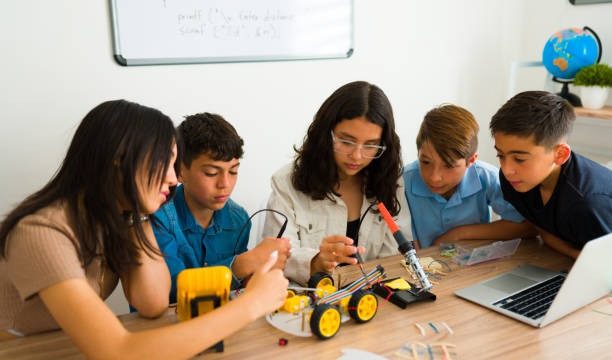
A small shift toward balance can also be achieved by integrating play into learning. Play is not merely a break from education; it is a vital component of how children learn. Through play, they explore concepts, experiment with ideas, and develop critical thinking skills. Incorporating educational games, art projects, or outdoor activities can make learning feel less like a chore and more like an adventure. This playful approach encourages creativity and imagination, allowing children to express themselves in ways that traditional teaching methods may not.
Mindfulness is another powerful tool in the teaching toolbox. Encouraging children to practice mindfulness can significantly enhance their focus and emotional regulation. Simple techniques like deep breathing or short moments of silence can help children center themselves, especially in a busy classroom or home environment. By introducing mindfulness, we equip children with strategies to manage stress and anxiety, fostering resilience as they encounter challenges.
Communication plays a vital role in teaching with intention. Engaging in open dialogues with children about their thoughts and feelings creates a safe space for them to share their experiences. Ask open-ended questions that encourage them to think critically and articulate their ideas. This not only enhances their verbal skills but also empowers them to become confident communicators. Active listening is equally important; by showing genuine interest in what they have to say, we validate their feelings and thoughts, reinforcing their self-worth.
In addition to emotional and social learning, instilling a sense of responsibility in children is key. Teaching them to take ownership of their actions and decisions helps cultivate independence and accountability. This can be as simple as allowing them to choose their own extracurricular activities or giving them small tasks to complete at home. By guiding them to understand the consequences of their choices, we prepare them for the complexities of life outside the classroom.
As we teach with care and purpose, it’s equally important to model a growth mindset. Encouraging children to view challenges as opportunities for growth rather than obstacles can transform their approach to learning. Share stories of perseverance, whether from your own experiences or those of others, to illustrate that failure is a natural part of the journey. This perspective not only fosters resilience but also instills a sense of determination that will serve them well throughout their lives.
The role of community in a child’s education cannot be overlooked. Collaborating with other parents, educators, and community members creates a rich tapestry of support and resources. Engaging with local programs, workshops, or family events can enhance the learning experience and provide children with diverse perspectives. When children see their community working together, they learn the value of cooperation and the importance of contributing to something larger than themselves.
As we embark on this journey of teaching children with care and purpose, let’s remember that our influence extends beyond academics. We are shaping the future, one child at a time, by fostering curiosity, empathy, and resilience. The lessons we impart today will echo in their hearts and minds for years to come. By creating a nurturing environment, embracing individuality, and promoting a balanced approach to learning, we can guide children toward becoming compassionate and capable individuals. In doing so, we not only enrich their lives but also contribute to a brighter, more understanding world.