Recognizing progress in children is an essential part of nurturing their growth and development.
As parents, caregivers, and educators, we often focus on the milestones and achievements that stand out: the first steps, the first words, or the first time they ride a bike.
However, progress can be subtle and may not always come with a fanfare. It is in the quiet moments, the small victories, and even the challenges where meaningful growth occurs. Learning to recognize these nuances can significantly enhance our understanding and support of children’s development.
Every child is unique, and their journeys are filled with individual twists and turns. One child might take longer to master a skill, while another may seem to grasp concepts quickly. This variability is a natural part of growth, and the key lies in observing the gradual changes that signify progress. Rather than fixating solely on the end goals, it is important to pay attention to the small steps that lead to those accomplishments. Perhaps your child is beginning to express their thoughts more clearly or is showing increased curiosity about the world around them. These moments, though they may seem minor, are significant indicators of development.
A small shift toward balance can often be seen in a child’s emotional and social skills. For example, you might notice your child becoming more empathetic or starting to engage in cooperative play with peers. These changes might not be as easily quantifiable as academic achievements, but they are vital for their overall well-being and future relationships. Encouraging this kind of growth can be as simple as providing opportunities for social interaction and teaching them to express their feelings. When children learn to navigate their emotions and the emotions of others, they are building a foundation for resilience and understanding.
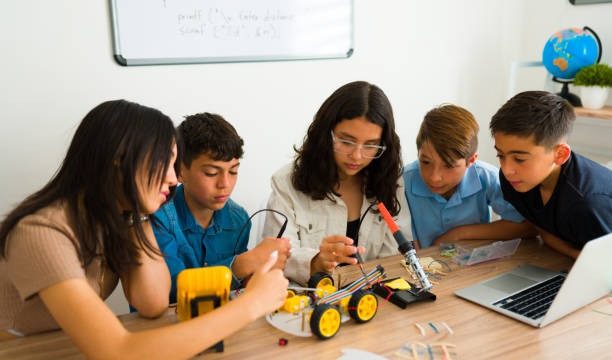
Another area where progress can be recognized is in problem-solving abilities. Children often face challenges that require them to think critically and creatively. Whether it’s figuring out how to build a stable tower with blocks or working through a tricky math problem, the process of tackling obstacles is where growth flourishes. As a caregiver, you can foster this skill by allowing them to explore solutions independently while offering guidance when necessary. Celebrating their effort, regardless of the outcome, reinforces the value of perseverance and creativity.
Language development is another rich area for observing progress. Children may not always articulate their thoughts perfectly, but the way they communicate can reveal significant strides. You might find them using new vocabulary words, asking more complex questions, or even telling stories that reflect their understanding of the world. Engaging in conversations, reading together, and encouraging them to express their ideas can all contribute to their linguistic growth. It’s not just about what they say; it’s also about how they begin to connect ideas and express their individuality through language.
Physical development is often highlighted through visible changes, such as height and coordination. However, recognizing progress in this area can be more nuanced. For instance, a child may not yet be able to master a particular sport or dance move, but their increasing confidence in trying new activities or their improved stamina are signs of growth. Encouraging physical play and exploration can help children build their skills while also enjoying the process.
Another important aspect to consider is the development of self-regulation. This skill is crucial for children as they learn to manage their impulses and emotions. Progress in this area may manifest as a child being able to wait their turn during a game or handle disappointment with greater maturity. These moments can often be overlooked but are essential for fostering independence and responsibility. Supporting children in developing self-regulation can involve modeling appropriate responses to frustration and providing strategies for them to manage their feelings.
As we navigate the journey of recognizing progress in children, it’s equally important to cultivate a supportive environment. Children thrive when they feel safe and encouraged. Creating a space where they can explore, make mistakes, and learn without fear of judgment is vital. This environment allows them to take risks and fosters a love of learning. Showcasing your belief in their abilities through words of encouragement can provide them with the confidence to tackle new challenges.
Reflecting on our own expectations is also crucial in this process. Sometimes, we may inadvertently impose our timelines or standards on children, which can lead to frustration for both parties. It’s essential to remember that growth is not a linear path; it ebbs and flows. Patience and understanding can go a long way in allowing children to develop at their own pace.
In addition to creating a nurturing environment, documenting progress can help you recognize and appreciate the subtle changes over time. Keeping a journal or taking photos can serve as a reminder of how far your child has come. Looking back at these records can be uplifting and provide a sense of accomplishment. This practice can also help you identify patterns in their development, allowing you to tailor your support more effectively.
Ultimately, recognizing progress in children is about embracing the journey rather than focusing solely on the destination. Each child’s path is unique, filled with their own set of challenges and triumphs. By shifting our perspective to appreciate the small victories and the everyday moments of growth, we can cultivate a deeper connection with the children in our lives. This approach not only enhances their development but also enriches our relationships, fostering a sense of joy and fulfillment in the shared experience of growing together.
As we learn to recognize and celebrate progress in our children, we empower them to embrace their own journeys, instilling a lifelong love of learning and resilience. In this way, we can all grow together, hand in hand, through the beautiful tapestry of childhood.