In today’s fast-paced world, it can be easy to overlook the importance of daily physical activity.
With the demands of work, family, and other obligations, finding time to exercise can feel like a challenge.
However, incorporating supportive aerobics into your routine can help you stay active without overwhelming your schedule or body. Whether you’re new to exercise or have been at it for years, aerobic exercises are an excellent way to improve your overall health while boosting your energy and mood. By choosing supportive, gentle forms of aerobics, you can easily weave physical activity into your day, promoting long-term wellness without risking injury or exhaustion.
Aerobic exercise is any activity that increases your heart rate and improves cardiovascular health. Unlike strength training, which focuses on building muscle, aerobics is more about endurance. It involves rhythmic, repetitive movement that engages large muscle groups over an extended period. Common forms of aerobic exercises include walking, jogging, cycling, swimming, and even dancing. These exercises help improve circulation, lung capacity, and heart function while increasing stamina. Supportive aerobics, however, are designed to be gentle on the body, making them perfect for people of all fitness levels, including beginners, seniors, or those recovering from an injury.
One of the simplest and most effective forms of supportive aerobics is walking. Walking can be done almost anywhere—whether on a treadmill, in the park, or around your neighborhood. It’s a low-impact activity, which means it doesn’t put undue stress on your joints, making it ideal for people with arthritis, back pain, or other musculoskeletal conditions. Walking also requires minimal equipment, so it’s easy to get started. By simply putting on a comfortable pair of shoes, you’re ready to begin.
To make walking more enjoyable, you can mix it up by exploring different routes, listening to music or podcasts, or even walking with a friend. As you become more accustomed to walking, you can gradually increase the duration or intensity. For example, you might add in some light jogging intervals or increase your walking speed. Another variation is power walking, which involves walking at a brisk pace with exaggerated arm swings to increase the intensity without adding stress to your joints.
Cycling is another excellent option for supportive aerobics. Whether you’re cycling outdoors or using a stationary bike at home or in the gym, cycling offers a fantastic cardiovascular workout while being easy on the knees and hips. The low-impact nature of cycling makes it an ideal choice for people with joint issues or those who are looking to ease into a fitness routine. Cycling strengthens the legs, improves circulation, and boosts cardiovascular health—all while being gentle on the body.
For those who prefer a more social form of exercise, group cycling classes or bike rides with friends can be a fun and motivating way to incorporate aerobic activity into your daily routine. If you’re using a stationary bike, you can adjust the resistance to suit your comfort level, gradually increasing it as you build strength and endurance. As with walking, it’s important to listen to your body and not push yourself too hard, especially when you’re just starting out.
Swimming is another form of supportive aerobics that offers a full-body workout without putting stress on the joints. The buoyancy of the water helps support your body, making it easier to move without risking strain or injury. Swimming also improves flexibility, strengthens muscles, and enhances cardiovascular health. Whether you’re doing laps in a pool or simply enjoying a leisurely swim, the water provides a soothing, low-impact environment that makes exercise feel like a breeze.
For beginners or those with limited mobility, water aerobics classes are a great option. These classes often include gentle movements performed in the shallow end of the pool and can be modified to accommodate different fitness levels. Water aerobics allows you to get the benefits of a full-body workout while minimizing the impact on your joints, making it ideal for older adults or anyone dealing with joint pain or arthritis.
If you enjoy dancing, why not turn it into an aerobic workout? Dance-based fitness classes, such as Zumba or low-impact aerobics, are a fun way to engage in cardiovascular exercise without even realizing you’re working out. These classes often feature lively music and choreographed routines that get your body moving in rhythm. The best part? They can be tailored to your fitness level, with modifications available for those who need a gentler approach.
Dance aerobics doesn’t require any special skills or equipment. You can simply put on your favorite tunes and dance around your living room for a fun and effective workout. Whether you’re following along to an online video or just improvising, dancing is an enjoyable way to stay active and burn calories without feeling like you’re “exercising.”
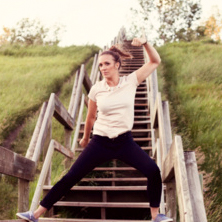
Another supportive form of aerobics that can be easily incorporated into daily life is stair climbing. Whether at home, work, or a public space, stairs are often readily available. Climbing stairs provides a fantastic cardiovascular workout and targets the lower body, specifically the glutes, quads, and calves. While it’s a bit more challenging than walking, it’s still a low-impact exercise that doesn’t require any special equipment.
If you’re new to stair climbing, start slowly and gradually increase the number of stairs you climb each day. If climbing a full flight of stairs feels too difficult, try starting with one or two steps at a time and gradually increase your intensity as your stamina improves. Stair climbing is an easy way to fit some cardio into your day, whether it’s during a break at work or while at home.
The beauty of supportive aerobics is that they can be tailored to your specific fitness needs, goals, and preferences. You don’t have to jump into intense, high-impact exercise right away. Instead, you can start with low-impact activities that you enjoy and gradually increase the intensity as your body adapts. The key is to find a routine that feels comfortable, sustainable, and enjoyable, rather than something that feels like a chore.
One of the most important aspects of any exercise routine is consistency. To make supportive aerobics a lasting part of your life, it’s essential to stay consistent. Set small, achievable goals that fit into your daily schedule, whether it’s walking for 20 minutes in the morning, cycling for a half hour in the evening, or taking a swim at your local pool once a week. By committing to a regular routine, you’ll experience the many benefits of aerobics, including increased energy, improved heart health, better mood, and a sense of accomplishment.
Incorporating supportive aerobics into your daily activity doesn’t require drastic changes to your lifestyle. Whether it’s taking the stairs instead of the elevator, going for a walk after dinner, or attending a low-impact fitness class, there are plenty of ways to add more movement to your day. By focusing on exercises that are easy on the body and adjusting them to your fitness level, you can make daily physical activity an enjoyable and sustainable part of your routine. Remember, the most important thing is to get moving, stay active, and find joy in the process. Your body and mind will thank you for it.