Learning together in childhood is a beautiful journey that shapes our perspectives and relationships for years to come.
The early years of life are not just about acquiring knowledge; they are about building connections, fostering empathy, and developing a sense of community.
When children learn together, they engage in a rich tapestry of experiences that promote social skills, emotional intelligence, and cognitive growth.
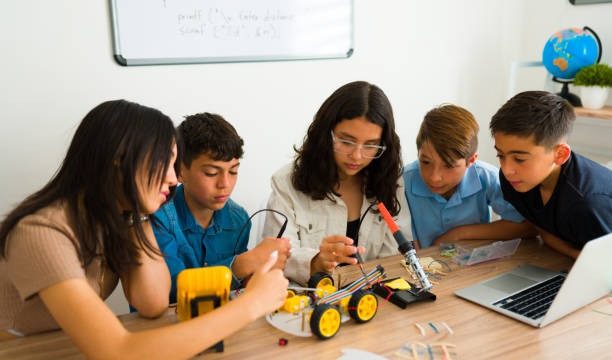
One of the most profound aspects of shared learning is the way it nurtures relationships. Children thrive when they engage with their peers, exchanging ideas and exploring the world together. In these moments, they learn the value of teamwork and collaboration. Whether it’s building a fort out of cushions or working on a shared art project, these activities cultivate a sense of belonging. They understand that their contributions matter, and that working together can lead to something greater than the sum of its parts.
The joy of discovery is magnified when shared with friends. Imagine a group of children exploring a nature trail, their laughter echoing amidst the trees as they uncover the wonders of the natural world. They might marvel at the intricate patterns of leaves or the curious movements of insects. These shared experiences encourage curiosity and ignite a passion for learning. When children see their friends excited about something new, it inspires them to ask questions, experiment, and seek answers together.
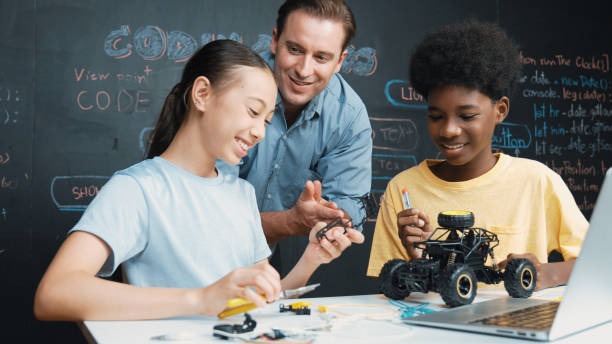
The role of adults in this collaborative learning environment cannot be understated. Caregivers and educators can create spaces that invite exploration and dialogue. By encouraging children to express their thoughts and feelings, adults help them articulate their ideas, fostering confidence. When a child shares a discovery with a friend, they are not just communicating; they are practicing skills that will serve them throughout their lives. Listening, responding, and building on each other’s ideas are foundational skills that thrive in a collaborative setting.
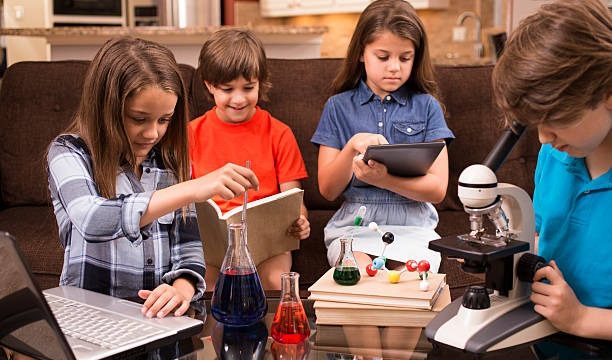
There’s also a unique magic that happens when children participate in group activities. Whether it’s a science experiment, a group story-telling session, or a simple game, these moments are filled with opportunities for learning important life skills. Children learn to negotiate, to share, and sometimes to compromise. They discover that not everyone thinks the same way, and that diverse perspectives can enrich their understanding. This early exposure to different viewpoints lays the groundwork for empathy, teaching children to appreciate the feelings and ideas of others.
Creating an environment that fosters collaborative learning can be as simple as encouraging play. Free play is one of the most effective ways for children to learn social skills. When they engage in imaginative play, they often take on different roles, negotiate rules, and navigate conflicts. This unstructured time is where some of the most profound learning occurs. Children develop resilience and adaptability, skills that will benefit them throughout their lives.
As children grow, the nature of their collaborative learning evolves. In school settings, group projects become more common, and the importance of teamwork is highlighted. Here, students learn to balance individual strengths with the collective goals of the group. They begin to see that everyone has something unique to contribute, which fosters a sense of respect and appreciation for diversity. These experiences can be transformative, as they prepare children for future collaborative endeavors in both their personal and professional lives.
Beyond the classroom, the importance of learning together extends into family life. Family activities, such as cooking or gardening, provide opportunities for shared learning experiences. In these moments, children can ask questions, make mistakes, and learn from one another. The kitchen becomes a classroom where math and science come to life through measuring ingredients and observing changes in texture and flavor. Such shared experiences not only teach practical skills but also strengthen familial bonds.
As we explore the essence of learning together, we must also consider the role of community. Community programs and activities can enhance the collaborative learning experience. Libraries, community centers, and local parks often host events that bring children together. These gatherings allow children to interact with peers outside of their immediate circles, broadening their social networks and enriching their learning experiences. Such opportunities remind children that they are part of a larger community, fostering a sense of responsibility and connection to the world around them.
It’s essential to recognize that learning together is not without its challenges. Conflicts may arise, and disagreements can occur. However, these moments also present valuable lessons. Children learn how to navigate differences, articulate their feelings, and seek resolutions. These skills are vital as they move through life, equipping them with the tools to handle challenges and work collaboratively in various settings.
In reflecting on the importance of shared learning experiences, we are reminded that childhood is not just a time for individual growth; it is a period rich with opportunities for connection and collaboration. The lessons learned during these formative years can have a lasting impact, shaping the way individuals interact with others throughout their lives.
As parents, educators, and caregivers, fostering an environment that encourages learning together can lead to a more compassionate and understanding world. By celebrating the beauty of collaboration and the joy of discovery, we can help nurture a generation that values community, empathy, and shared experiences.
In the end, learning together in childhood is about more than just knowledge; it’s about creating a foundation of relationships, understanding, and respect. It’s about helping children discover not only who they are but also the incredible potential of what they can achieve together. As they journey through life, they will carry these lessons with them, reminding us all of the power of connection and the joy that comes from learning side by side.