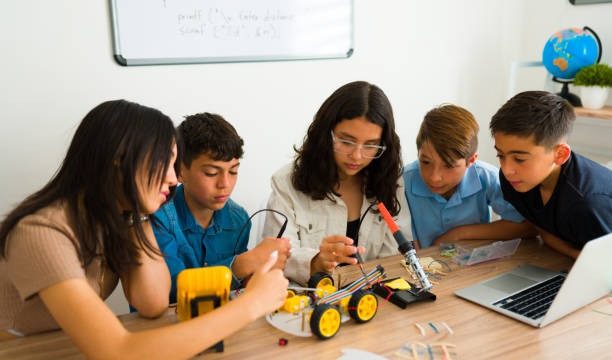
Inviting Kids Into the World of Learning
In a world filled with distractions and fast-paced technology, inviting children into the realm of learning can seem like a daunting task.
Yet, fostering a love for knowledge is one of the greatest gifts we can offer our children.
It’s about creating an environment where curiosity thrives and exploration is encouraged. This journey doesn’t have to be a chore; with a little creativity and warmth, learning can become a delightful adventure.
A gentle approach can make all the difference. Recognizing that every child is unique allows us to tailor experiences that resonate with their individual interests and learning styles. Some children may be drawn to the arts, while others might find joy in science or storytelling. By observing their natural inclinations, we can introduce them to various subjects in a way that feels organic and engaging.
One of the simplest ways to ignite a child’s passion for learning is through play. Play is not just a way for children to pass the time; it is a fundamental aspect of how they understand the world. Incorporating educational elements into playtime can create a seamless blend of fun and learning. For instance, building blocks can spark an interest in engineering, while cooking together can introduce basic math and science concepts. When children see learning as a playful activity rather than a task, they are more likely to embrace it wholeheartedly.
Another effective method is to weave stories into the fabric of learning. Children are naturally drawn to narratives, and stories can serve as powerful tools for teaching. Reading together not only enhances vocabulary but also encourages empathy and critical thinking. Choose books that reflect diverse cultures and experiences, opening their minds to a broader world. After reading, engaging in discussions about the characters and their choices can deepen understanding and inspire further exploration of the themes presented.
Nature, too, offers a rich classroom for young minds. Exploring the outdoors provides endless opportunities for discovery. Whether it’s observing insects in the garden, collecting leaves, or stargazing at night, each experience can lead to questions and insights about the world. Encouraging children to ask questions and seek answers fosters a sense of agency in their learning process. It teaches them that curiosity is valuable and that seeking knowledge is a lifelong journey.
Creating a learning-friendly environment at home is equally important. This doesn’t mean transforming your living space into a classroom; rather, it’s about cultivating a space that inspires creativity and inquiry. A cozy reading nook filled with books, art supplies readily accessible, and a variety of materials for hands-on projects can invite children to explore their interests. When they feel safe and supported in their environment, they are more likely to take risks and engage with new ideas.
Involving children in everyday activities can also be an effective way to teach practical skills. Whether it’s gardening, grocery shopping, or even household chores, these tasks can provide lessons in responsibility, teamwork, and problem-solving. For instance, cooking together can teach them about measurements, nutrition, and the science of how different ingredients interact. When children see real-world applications of what they learn, it enhances their understanding and appreciation of the subject matter.
Encouragement plays a vital role in this journey. Celebrating small achievements and milestones can boost a child’s confidence and motivation. Rather than focusing solely on grades or outcomes, it’s essential to acknowledge the effort they put into their learning. Praising their curiosity, creativity, and persistence helps them understand that learning is a process rather than a destination. This mindset fosters resilience and a willingness to embrace challenges.
As parents and caregivers, it’s essential to model a love for learning ourselves. Sharing our interests and passions can inspire children to explore new topics. Whether it’s a hobby, a book you’re reading, or a project you’re working on, inviting children to join you can create shared experiences that deepen connections and spark their curiosity. When they see us engaged and excited about learning, it sends a powerful message that knowledge is something to be valued and pursued.
In our fast-paced society, it’s easy to overlook the importance of slowing down and being present in the moment. Encouraging children to take breaks, enjoy quiet time, and reflect on their experiences can foster mindfulness. This practice not only enhances focus but also allows them to process what they’ve learned in a meaningful way. Incorporating moments of stillness can help them connect with their thoughts and feelings, enriching their overall learning experience.
As we guide children into the world of learning, it’s essential to remember that this journey is not a race. Each child develops at their own pace, and that’s perfectly okay. Embracing their unique learning journey encourages lifelong curiosity and a genuine love for knowledge. By fostering an environment that values exploration, creativity, and kindness, we can help children view learning as a joyful and fulfilling part of their lives.
In conclusion, inviting kids into the world of learning is about creating an atmosphere of curiosity and engagement where exploration is celebrated. By incorporating play, storytelling, nature, and real-life experiences, we can cultivate a love for knowledge that lasts a lifetime. With encouragement and patience, we can guide them as they embark on this beautiful journey, discovering the wonders of the world and their place within it. Let us nurture their curiosity and inspire them to embrace the joy of learning, one gentle step at a time.