How to Build a Child’s Motivation Through Play
In the world of childhood development, play is often celebrated as a vital component of learning.
It’s not merely a way to pass the time; rather, it serves as a powerful tool for fostering motivation, creativity, and resilience in young minds.
Understanding how to harness the magic of play can transform the way children engage with their environment, sparking a sense of curiosity and a desire to explore. By creating opportunities for play, parents and caregivers can help nurture motivation in their children, allowing them to thrive both academically and socially.
The beauty of play lies in its versatility. From imaginative role-playing to building intricate structures with blocks, play can take many forms. Each type of play offers unique benefits, all contributing to a child’s overall motivation. When children are engaged in activities that they find enjoyable, they are more likely to take initiative, persist in the face of challenges, and develop a love for learning. This intrinsic motivation can be a powerful force, encouraging them to seek out new experiences and embrace their interests.
One way to cultivate motivation through play is by allowing children to take the lead. When children are given the freedom to choose their activities, they are more likely to engage deeply and fully. This autonomy helps them feel a sense of ownership over their learning experience. Encourage your child to explore different types of play, whether it’s art, sports, or imaginative games. By supporting their choices, you validate their interests and empower them to pursue what truly excites them.
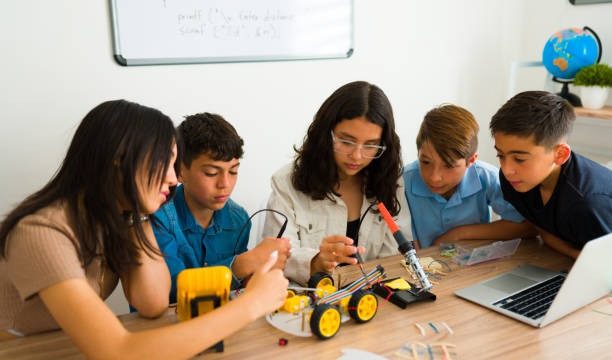
Creating an environment that fosters exploration and creativity is essential. A well-organized play space can inspire children to experiment and discover. Consider setting up various stations with different materials, such as art supplies, building blocks, or science kits. These stations can serve as invitations for children to dive into play, sparking their imagination and motivating them to explore new ideas. The key is to provide a range of options while allowing them the freedom to choose how they want to engage with those materials.
In addition to providing a stimulating environment, it’s important to be present during playtime. Engaging with your child as they play can enhance their experience and motivation. Ask open-ended questions that encourage them to think critically about what they’re doing. For instance, if your child is building a tower with blocks, you might ask, “What would happen if you added another block?” This not only prompts them to think about their actions but also shows them that you value their creativity and ideas. Your involvement can help deepen their motivation and encourage them to share their thoughts and feelings.
As children play, they will inevitably encounter obstacles or challenges. Rather than stepping in to solve problems for them, consider guiding them through the process of finding solutions. This approach fosters resilience and a growth mindset, showing children that challenges are opportunities for learning rather than roadblocks. When they successfully navigate difficulties during play, they gain confidence in their abilities, which can translate into increased motivation in other areas of their lives.
Celebrating achievements, no matter how small, is another effective way to nurture a child’s motivation. When children feel recognized for their efforts, it reinforces their desire to continue trying and exploring. This could be as simple as acknowledging their creativity in a drawing or applauding their persistence in completing a puzzle. By celebrating these moments, you create a positive association with effort and achievement, motivating them to tackle new challenges with enthusiasm.
While structured play has its place, unstructured play can be equally beneficial. Allowing children to engage in free play gives them the chance to explore their interests without the constraints of rules or specific outcomes. This type of play encourages creativity and self-expression, which can be incredibly motivating. It’s in these moments of free exploration that children often discover new passions and interests, fueling their desire to learn and grow.
Another gentle way to enhance motivation through play is to introduce collaborative activities. Working together with peers or family members can foster a sense of community and belonging. Team-based games, group art projects, or even simple backyard activities can help children learn the value of cooperation and communication. These social interactions not only boost motivation but also teach essential life skills that will benefit them in the long run.
As children grow, their interests and motivations may shift. Staying attuned to these changes is essential in supporting their development. Regularly check in with your child about what they enjoy and what they might like to explore further. This ongoing dialogue helps you understand their evolving interests, allowing you to tailor play experiences that align with their passions. By being responsive to their needs, you create an environment where they feel supported and understood, further enhancing their motivation.
It’s important to remember that every child is unique. What motivates one child may not resonate with another. Therefore, flexibility is key. Be open to trying new activities and adjusting your approach based on your child’s responses. This adaptability not only fosters a sense of security but also encourages children to express themselves freely, knowing that their preferences will be honored.
Ultimately, building a child’s motivation through play is about creating a nurturing environment where exploration, creativity, and resilience can flourish. By allowing children to take the lead, providing engaging materials, and being present during their play, you can foster a love for learning that lasts a lifetime. Embrace the joy of play and watch as your child blossoms into a motivated, curious individual ready to take on the world.