Motivating children can often feel like a delicate dance, one that requires patience, understanding, and a gentle touch.
As parents and caregivers, we often find ourselves looking for ways to inspire our little ones, to encourage them to embrace learning and exploration with enthusiasm.
The good news is that fostering motivation doesn’t always require grand gestures or strict discipline. Instead, gentle guidance can create an environment where children feel empowered to grow and thrive.
Creating a nurturing space for motivation begins with understanding your child’s unique personality. Each child is a distinct individual with their own interests, strengths, and challenges. By taking the time to observe and appreciate these qualities, you can tailor your approach to their specific needs. This doesn’t mean you have to change who they are; rather, it’s about recognizing their potential and encouraging them to pursue their passions.
A small shift toward balance can make a significant difference in how children respond to motivation. Often, we think of motivation as an external force, something that must be instilled through rewards or consequences. However, it can also be an internal drive that flourishes when children feel safe and supported. Creating a balanced environment where they can explore their interests without fear of failure can unlock their intrinsic motivation. Allow them to experiment, make mistakes, and learn from those experiences. This approach not only fosters resilience but also cultivates a love for learning that lasts a lifetime.
Listening is another cornerstone of gentle guidance. Engaging in conversations with your child about their interests, dreams, and even their fears can be incredibly powerful. When children feel heard, they are more likely to express themselves and share their thoughts openly. This not only strengthens your bond but also helps you understand what truly inspires them. Ask open-ended questions and encourage them to elaborate on their ideas. This shows that you value their opinions and encourages them to think critically about their aspirations.
Encouragement can also be woven into the fabric of everyday life. Instead of focusing solely on achievements, celebrate the effort your child puts into their endeavors. Acknowledge their hard work, creativity, and perseverance, even if the outcome doesn’t match their expectations. This reinforces the idea that the journey of learning is just as important as the destination. When children feel appreciated for their efforts, they are more likely to take risks and pursue new challenges.
Incorporating play into motivation is a wonderful way to engage children. Play is not just a pastime; it is a powerful tool for learning and growth. When children are allowed to explore through play, they often discover new interests and develop problem-solving skills naturally. Whether it’s through imaginative games, hands-on activities, or outdoor adventures, integrating play into everyday life can ignite a sense of curiosity and wonder. Allowing them to lead the way during playtime gives them a sense of ownership and autonomy, further motivating them to explore.
Modeling positive behavior is another gentle yet effective strategy. Children are keen observers, often mimicking the actions and attitudes of the adults around them. By demonstrating a love for learning, curiosity, and resilience, you set a powerful example. Share your own experiences with challenges and how you overcame them. Show them that it’s okay to make mistakes and that learning is an ongoing process. When children see you embracing growth and exploration, they are more likely to adopt a similar mindset.
Another gentle approach to motivation is to create a routine that incorporates both structure and flexibility. Children thrive in environments where they know what to expect, but they also benefit from the freedom to explore their interests. Establishing a daily rhythm can provide a sense of security while allowing for spontaneity. Perhaps set aside specific times for homework or reading, but also leave space for creative pursuits or outdoor play. This balance can help children feel grounded while also encouraging them to pursue their passions.
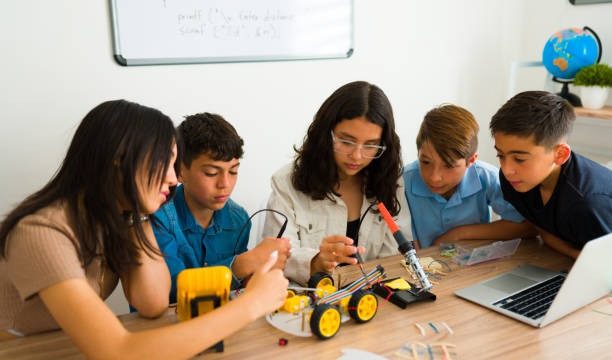
Encouraging collaboration with peers can also enhance motivation. Children often draw inspiration from their friends and siblings. Organizing group activities, whether it’s a craft project or a team sport, can ignite excitement and foster a sense of community. When children work together toward a common goal, they learn valuable social skills and develop a sense of belonging. This collaborative spirit can motivate them to engage more deeply in their interests and support one another in their journeys.
As you guide your child, it’s important to recognize the significance of patience. Motivation is not always instantaneous; it can take time to cultivate. There may be moments of frustration or resistance, but these are opportunities for growth. Approach these challenges with empathy and understanding. Encourage your child to express their feelings and remind them that it’s okay to feel overwhelmed at times. By maintaining a calm and supportive demeanor, you can help them navigate their emotions and find their way back to motivation.
In the end, gentle guidance is about creating a nurturing environment where children feel safe to explore, learn, and grow. By emphasizing their unique qualities, encouraging open communication, celebrating efforts, and fostering a love for play, you can inspire a lifelong passion for learning. Remember that every child is different, and what works for one may not work for another. Stay attuned to their needs and adjust your approach as necessary. With time, patience, and a gentle touch, you can help your child discover their inner drive and flourish in their own unique way.