In a world that often feels fast-paced and demanding, the essence of play serves as a gentle reminder of the virtues of patience and cooperation.
Whether it’s children gathering in a backyard for a game of tag or adults engaging in team-building exercises, the act of playing can be a powerful teacher.
Through playful interactions, we discover not only the joy of the moment but also the deeper lessons that can shape our character and relationships.
The beauty of play lies in its simplicity. It allows us to step away from the pressures of daily life, inviting us to engage with one another in a manner that feels natural and unforced. When we participate in games, we often find ourselves in situations that require us to wait our turn, listen to others, and collaborate toward a common goal. These experiences foster an environment where patience can flourish.
Patience is perhaps one of the most valuable traits we can cultivate. In our increasingly instant-gratification society, the ability to wait and persevere is often overlooked. When children play, they learn to navigate the ebb and flow of waiting—waiting for a turn in a game, waiting for a teammate to make a move, or even waiting for a moment to share their own ideas. Each instance teaches them that good things often come to those who wait, reinforcing the understanding that not every moment needs to be rushed.
Cooperation, too, finds its roots in play. Many games require players to work together, blending individual strengths to achieve a shared objective. This collaborative spirit teaches us that success is often a team effort. In these moments, we learn to communicate effectively, share resources, and sometimes make sacrifices for the greater good. Through play, we discover the joy of contributing to a collective experience, reinforcing our social bonds and deepening our sense of community.
As adults, we can benefit from revisiting the lessons of play. Engaging in team sports or group activities can rekindle our understanding of patience and cooperation. It is easy to forget these essential qualities amidst the hustle of everyday responsibilities. By participating in playful endeavors, we can reconnect with the childlike wonder that allows us to appreciate the journey rather than just the destination.
A small shift toward balance can be achieved by incorporating playfulness into our daily routines. This doesn’t mean we have to abandon our responsibilities; rather, we can approach them with a playful mindset. Whether it’s turning a mundane task into a friendly competition or inviting colleagues to collaborate on a project in a more relaxed setting, infusing play into our lives can transform how we relate to one another and ourselves.
The impact of play on our emotional well-being cannot be overstated. When we engage in activities that bring joy, we often find our stress levels decrease, and our mood lifts. This emotional release can create a fertile ground for patience and cooperation to thrive. When we feel good, we are more likely to be understanding and accommodating, both to ourselves and to others.
In families, play acts as a cornerstone for building strong relationships. Parents who engage in playful activities with their children not only foster a sense of belonging but also model essential life skills. Through games, families can navigate conflicts, learn to negotiate, and practice empathy. These shared moments create lasting memories and teach children that cooperation is a vital component of healthy relationships.
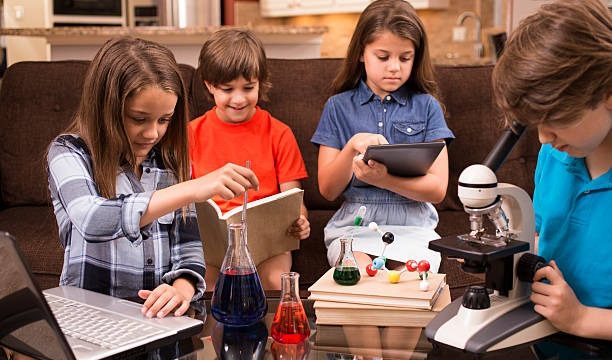
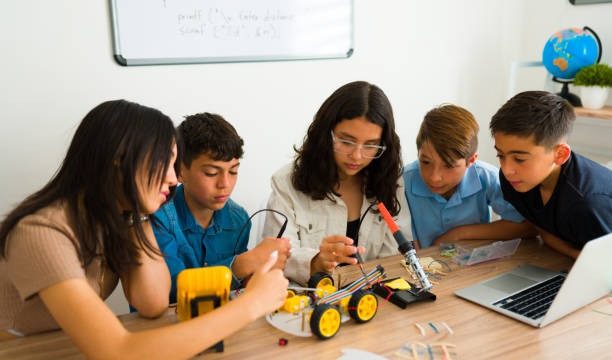
The role of play in educational settings further emphasizes its importance. Classrooms that incorporate play-based learning strategies often see improved engagement and collaboration among students. When children are encouraged to learn through play, they develop critical social skills that will serve them well in their future endeavors. In this environment, patience is nurtured as students learn to respect each other’s ideas and contributions.
As we reflect on the lessons of play, it’s essential to recognize that these experiences do not have to be extravagant or time-consuming. Simple activities like board games, nature walks, or even cooking together can provide ample opportunities to practice patience and cooperation. The key is to approach these moments with an open heart and a willingness to engage fully.
In a society that often prioritizes speed and individual achievement, embracing the principles of play can offer a refreshing perspective. By allowing ourselves to slow down and enjoy the process, we can cultivate patience and cooperation in our lives. These qualities not only enhance our personal relationships but also enrich our communities and workplaces.
Ultimately, the lessons learned through play are timeless. They remind us of the importance of connection, understanding, and the joy of shared experiences. As we navigate the complexities of life, let us not forget the power of play to teach us patience and cooperation. In doing so, we can foster a more compassionate and understanding world, one playful moment at a time.
So, the next time you find yourself caught up in the rush of life, consider taking a step back and engaging in a playful activity. Whether it’s with friends, family, or colleagues, allow yourself to experience the joy of the moment. You may find that through play, you not only learn patience and cooperation but also rediscover the simple pleasures that make life truly fulfilling.