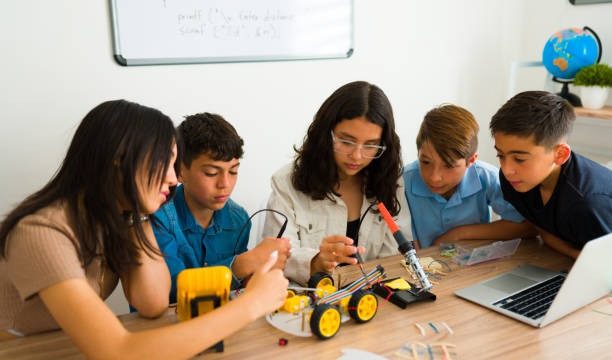
In the early years of life, children are like sponges, absorbing everything around them.
This natural curiosity is a powerful tool that can be harnessed to introduce the world of mathematics in a joyful and engaging way.
Early math learning is not just about numbers and equations; it’s about cultivating a mindset that embraces exploration and discovery.
The beauty of early math learning lies in its seamless integration into daily life. Rather than presenting math as a separate subject, it can be woven into the fabric of everyday activities. Simple moments, like counting fruits during a grocery trip or sorting toys by color and size, can provide rich learning experiences. This approach transforms math into a playful adventure, allowing children to see it as a part of their world rather than a chore.
Creating a math-friendly environment at home can make a significant difference. Consider setting up a cozy corner filled with books that introduce mathematical concepts through stories and illustrations. There are delightful tales that weave counting, shapes, and patterns into their narratives, making learning feel like an exciting journey. When children see math as a part of storytelling, they are more likely to engage with it and develop a positive attitude toward the subject.
Engaging in conversation is another wonderful way to enhance early math learning. Asking open-ended questions during playtime can spark curiosity and encourage critical thinking. Instead of simply asking, “How many blocks do you have?” try asking, “What happens if we add two more blocks? How many would that be?” This gentle shift in questioning promotes problem-solving skills and helps children begin to make connections between numbers and their practical applications.
Incorporating movement can also be a fantastic way to reinforce mathematical concepts. Activities like jumping to count numbers or creating shapes with their bodies can make learning dynamic and fun. This not only helps children learn through kinesthetic experiences but also keeps their energy levels high, making them more receptive to new ideas.
When it comes to tools for learning, everyday items can serve as the best resources. Consider using measuring cups during cooking to teach concepts of volume, or a simple tape measure to explore lengths and distances. These activities not only make math tangible but also allow children to see the usefulness of math in real-life scenarios. They learn that math is not confined to a classroom but is a part of the world around them.
As children begin to explore mathematical concepts, it’s essential to foster an environment where mistakes are seen as learning opportunities rather than failures. Encouraging a growth mindset can help children feel more comfortable taking risks and trying new things. When they realize that making errors is a natural part of learning, they become more resilient and open to challenges. This attitude can set the foundation for a lifelong love of learning.
In addition to fostering curiosity and creativity, it’s important to celebrate achievements, no matter how small. Acknowledging a child’s efforts, whether they successfully counted to ten or identified shapes in their environment, reinforces their confidence. This celebration can come in many forms, from simple verbal praise to creating a special chart where they can mark their progress. These small acts of recognition can have a profound impact on a child’s motivation and enthusiasm for learning.
Another gentle approach to enhance early math skills is through play. Board games, card games, and puzzles can be excellent tools for building math concepts in a relaxed setting. Games that involve counting, strategy, or pattern recognition not only entertain but also teach valuable skills. The social aspect of playing with family or friends further enriches the experience, allowing children to learn from one another while having fun.
Field trips can also serve as a wonderful way to explore math in the real world. A visit to a local science museum, a farm, or even a simple walk in the neighborhood can present countless opportunities to observe and discuss mathematical concepts. For instance, counting the number of trees, measuring the height of a flower, or comparing the sizes of different objects can turn an ordinary outing into a rich learning experience.
As parents and caregivers, being involved in this early math journey is crucial. Engaging with children during their exploration fosters a sense of security and support. When adults show enthusiasm for math, children are more likely to mirror that excitement. Conversations about math can become common in your household, encouraging a culture of curiosity and inquiry.
As children grow, their understanding of math will deepen and evolve. The foundation laid during these early years will serve them well in their educational journey and beyond. By nurturing a love for math early on, you are equipping them with valuable skills that will benefit them in numerous aspects of their lives.
In conclusion, early math learning for curious kids is about much more than numbers. It’s about fostering a mindset of exploration, creativity, and resilience. By integrating math into daily life, creating a supportive environment, and celebrating achievements, we can help children develop a positive relationship with math that lasts a lifetime. As they embark on this joyful journey, they will discover that math is not just a subject, but a way of understanding the world around them. With a little encouragement and creativity, every moment can become an opportunity for learning and growth.