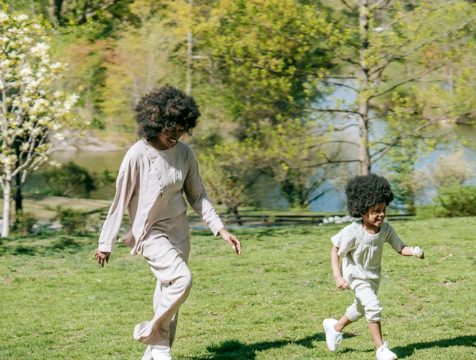
Movement is a fundamental part of life, yet many people overlook how their daily habits can influence the way the body functions.
Natural movement is about allowing the body to move freely, efficiently, and safely, aligning with its inherent design rather than forcing rigid patterns or unnatural postures.
Encouraging natural movement in everyday life enhances comfort, reduces the risk of injury, and fosters a greater sense of connection with one’s body. By adopting mindful techniques, individuals can make movement a smooth, effortless, and even enjoyable part of their routines.
One of the most effective ways to promote natural movement is through posture awareness. How the body is aligned during sitting, standing, and walking directly affects how muscles, joints, and ligaments work together. Proper posture supports balance, reduces unnecessary tension, and allows for fluid movement. Simple adjustments, such as keeping the spine neutral, engaging the core slightly, and relaxing the shoulders, can make everyday tasks feel lighter and more controlled. Over time, maintaining good posture encourages movement patterns that feel instinctive rather than forced.
Breathing techniques are closely connected to natural movement. Deep, steady breaths support both physical and mental well-being. Coordinating breath with movement helps the body function efficiently and reduces strain. For instance, inhaling before lifting an object and exhaling while completing the motion stabilizes the core and protects the back. Mindful breathing also fosters awareness of the body, encouraging movements that flow smoothly rather than abruptly or awkwardly.
Stretching and mobility exercises are valuable tools for encouraging natural movement. Gentle stretching before engaging in daily tasks can prepare muscles and joints for activity, enhancing flexibility and range of motion. Dynamic stretches, which involve controlled, fluid movements, help the body move as a coordinated unit. Simple actions such as arm circles, torso twists, or gentle lunges can be integrated into routines without requiring extensive time or equipment. These exercises support movements that feel natural and reduce stiffness that might otherwise limit freedom of motion.
Engaging in weight shifts and balance exercises is another effective technique. The body naturally adjusts its weight during standing, walking, or bending. Practicing controlled weight transfers, such as shifting from one foot to another or leaning slightly forward and backward, strengthens stabilizing muscles and improves coordination. Better balance allows movements to be more confident and fluid, minimizing awkward or compensatory motions that can lead to discomfort or injury.
Functional movement training can also enhance natural movement. Functional movements mimic everyday activities, focusing on the integration of multiple muscle groups. Actions like squatting, reaching, or bending while maintaining proper alignment train the body to handle real-life tasks efficiently. Practicing these movements encourages patterns that the body instinctively recognizes, making daily activities easier and more comfortable. Functional training is not about intense workouts but about reinforcing motions that naturally support daily life.
Incorporating mindful pauses into movement encourages greater body awareness. Taking a moment to notice how the body feels before standing, bending, or walking allows for smoother transitions. These pauses help prevent sudden, awkward movements and give the nervous system time to coordinate muscle engagement. Mindful movement promotes a sense of ease, reduces strain, and helps maintain the fluidity that characterizes natural motion.
Environmental considerations also play a role in encouraging natural movement. Creating spaces that allow freedom of motion, minimizing obstacles, and arranging frequently used items within comfortable reach reduces the need for unnatural twisting, stretching, or reaching. A home or workspace designed with movement in mind supports natural patterns, encouraging the body to move in its most efficient and intuitive way. Simple adjustments such as clearing pathways, using stable surfaces, and maintaining accessible layouts make movement smoother and more instinctive.
Engaging multiple senses during movement can enhance natural coordination. Paying attention to visual cues, sounds, and tactile feedback allows the body to adjust automatically. For example, noticing the texture of the ground while walking or observing obstacles while reaching for an object helps the body move in a controlled, balanced manner. Sensory awareness reinforces natural movement by integrating environmental information with bodily responses.
Relaxation and tension release are essential for fluid, natural movement. Tense muscles restrict motion and force compensatory patterns that can feel awkward or uncomfortable. Techniques such as gentle stretching, shaking out limbs, or simple self-massage can release tension and allow the body to move more freely. Relaxation also reduces mental resistance, making movements feel effortless and aligned with the body’s natural rhythm.
Gradual progression in movement techniques is important to encourage consistency without strain. Starting with small, deliberate motions and increasing complexity over time allows the body to adapt safely. For instance, gentle squats, short walks, or light stretching can be expanded as strength, flexibility, and coordination improve. Incremental progress ensures that natural movement remains safe, comfortable, and sustainable.
Footwork and grounding techniques support stability and natural motion. The way the feet interact with the floor influences posture, balance, and coordination. Practicing even weight distribution, rolling through the feet while walking, or performing small grounding exercises strengthens the connection between the body and its base. This connection allows movements to be smoother and more aligned, fostering confidence in daily activity.
Movement rhythm is another key factor. Natural motion often follows a gentle, coordinated rhythm rather than abrupt, disjointed patterns. Incorporating a steady pace in walking, stretching, or performing tasks allows muscles and joints to work together harmoniously. Rhythm promotes fluidity, reduces fatigue, and makes movement feel more effortless. Whether it is the cadence of steps across a room or the flow of bending and reaching, maintaining rhythm supports the natural dynamics of the body.
Integrating natural movement into daily routines ensures that it becomes habitual. Simple actions like standing to stretch during work breaks, walking short distances instead of sitting continuously, or performing light mobility exercises in the morning encourage consistent practice. Repetition reinforces correct movement patterns, making them automatic and instinctive. Over time, these small efforts accumulate into significant improvements in comfort, coordination, and overall well-being.
Listening to the body is fundamental. Recognizing discomfort, fatigue, or tension provides guidance for adjusting movement patterns. Natural movement is not about forcing perfection but about responding to the body’s signals and adapting motions to meet its needs. This attentive approach reduces strain, prevents injury, and fosters a greater sense of ease throughout the day.
Natural movement also connects to mental and emotional well-being. Moving in ways that feel intuitive promotes relaxation, reduces stress, and encourages mindfulness. The experience of moving fluidly and efficiently can enhance confidence and enjoyment, making daily activities more satisfying. This connection between body and mind reinforces the importance of techniques that encourage natural movement, creating harmony in both physical and mental states.
Ultimately, encouraging natural movement is about creating habits, environments, and awareness that support the body’s innate design. Through posture alignment, breathing, stretching, balance, functional exercises, mindfulness, and gradual progression, movement becomes more efficient, comfortable, and instinctive. Integrating these techniques into everyday life helps individuals navigate daily tasks with confidence, ease, and enjoyment, transforming ordinary actions into opportunities for fluid, natural motion.
By embracing natural movement, people can enhance their physical comfort, reduce the risk of injury, and enjoy a more harmonious connection with their bodies. Simple, consistent practices and thoughtful attention to how the body moves allow daily life to feel lighter, safer, and more balanced, making movement a source of ease and vitality rather than strain.