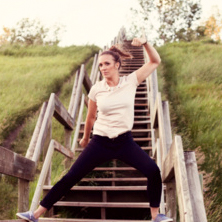
In the hustle and bustle of everyday life, it’s easy to become overwhelmed by the constant pressure to stay productive, meet deadlines, and manage various responsibilities.
In such a fast-paced world, it’s essential to find moments of calm to restore balance.
One effective way to achieve this is through calm and steady aerobic routines. Unlike intense, high-energy workouts that leave you feeling drained, these gentle aerobic exercises provide a way to nurture both your body and mind without feeling overwhelmed. They help foster relaxation, reduce stress, and promote overall well-being, all while still offering the health benefits of aerobic activity.
Aerobic exercise, also known as cardiovascular exercise, involves any activity that raises your heart rate and engages large muscle groups for an extended period. While many people associate aerobics with high-impact or high-intensity workouts, the truth is that aerobic exercises come in many forms, some of which are calm, steady, and perfect for those seeking a more relaxed pace. These routines can be just as effective in improving cardiovascular health, boosting mood, and enhancing overall fitness, all without putting unnecessary strain on the body or mind.
One of the simplest and most accessible calm aerobic exercises is walking. Walking is a low-impact activity that almost anyone can do, regardless of fitness level or age. It is often referred to as a “natural” form of aerobic exercise because it doesn’t require any special equipment or intense effort. Whether you’re walking in a park, around your neighborhood, or even on a treadmill indoors, walking provides an opportunity to clear your mind, get some fresh air, and experience the world around you at a slower pace. The repetitive nature of walking, combined with a steady pace, helps to calm the nervous system and reduce stress. This makes walking an excellent choice for anyone looking to integrate a peaceful, steady workout into their daily routine.
To enhance the calming effects of walking, consider practicing mindfulness while you walk. Focus on your breath, the sensation of your feet hitting the ground, and the rhythm of your movement. By immersing yourself in the present moment, you can transform a simple walk into a form of moving meditation. Walking in nature, such as in a park or along a scenic trail, can further deepen this experience, as being surrounded by natural beauty has been shown to have significant mental health benefits. The gentle pace and peaceful environment can help calm the mind, making it an ideal way to disconnect from the stresses of the day and restore balance.
Another excellent calm aerobic routine is swimming. Swimming is a full-body workout that provides a low-impact alternative to high-impact exercises like running. The buoyancy of water supports the body, reducing the risk of injury and making swimming an ideal option for individuals with joint pain or other physical limitations. Swimming at a steady pace, whether in a pool or an open body of water, is incredibly soothing. The repetitive motion of swimming laps can help regulate the breath and create a sense of flow, allowing you to relax while still engaging in a full cardiovascular workout. The rhythmic strokes and the sensation of being immersed in water have a meditative quality, helping to calm the mind and ease tension in the body.
For those who prefer indoor exercises, cycling on a stationary bike can be a great way to engage in calm aerobic activity. Stationary cycling is a low-impact workout that targets the legs and cardiovascular system, and it can be done at a steady pace to promote relaxation. Adjusting the resistance on the bike allows you to control the intensity of the workout, making it easy to create a calm, moderate routine. Cycling indoors also gives you the flexibility to focus on your breathing and the movement of your legs, enhancing the calming effects of the exercise. Whether you’re cycling in a quiet room or listening to calming music, stationary cycling provides a great way to stay active without feeling rushed or stressed.
If you’re looking for a calming and steady routine that involves a bit more structure, consider giving yoga or tai chi a try. While these practices are often associated with flexibility, balance, and mindfulness, they also provide a cardiovascular workout when done in a continuous flow. Both yoga and tai chi involve slow, controlled movements that elevate the heart rate gently while improving strength and flexibility. These practices are especially effective at promoting a sense of calm and relaxation, making them ideal for anyone who wants to incorporate a steady, soothing workout into their routine. By focusing on the breath and being fully present in each movement, you can create a harmonious balance between body and mind.
Walking, swimming, cycling, and yoga are just a few examples of calm aerobic routines, but there are countless other ways to engage in steady cardiovascular exercise. Hiking, for example, can be a more adventurous way to enjoy nature and get your heart rate up at a relaxed pace. Depending on the terrain and your level of fitness, you can opt for easy trails with minimal elevation gain to maintain a steady pace. Similarly, recreational activities like dancing or even gentle aerobics classes, where the emphasis is on fluid, controlled movements, can provide a fun and calming way to stay active. The key to these activities is that they promote cardiovascular health while maintaining a gentle, steady rhythm that is conducive to relaxation and mindfulness.
The mental health benefits of calm aerobic routines are just as important as the physical benefits. Engaging in steady, rhythmic exercise can reduce stress, anxiety, and depression by stimulating the release of endorphins, the body’s natural mood elevators. Regular aerobic exercise also helps regulate cortisol levels, the hormone associated with stress. Over time, these effects can create a sense of emotional stability and improve overall mental well-being. For those who experience feelings of overwhelm or burnout, calm aerobic routines provide an opportunity to slow down, breathe deeply, and restore balance, both physically and emotionally.
As you begin to incorporate these calm aerobic routines into your daily schedule, it’s important to remember that consistency is key. Start with shorter sessions, perhaps 15 to 20 minutes a day, and gradually build up as your fitness improves. The goal is not to push yourself to the limit, but rather to create a sustainable practice that promotes long-term health and well-being. Choose the activities that resonate with you the most and make them a regular part of your routine. Whether you’re walking, swimming, cycling, or practicing yoga, these steady aerobic exercises will help you find harmony within your body and mind.
In addition to physical and mental health benefits, calm aerobic routines can also improve sleep quality. Regular exercise helps regulate sleep patterns, making it easier to fall asleep and stay asleep throughout the night. By reducing stress and promoting relaxation, these steady workouts can help prepare your body for rest, leading to more restful and rejuvenating sleep. A good night’s sleep is essential for maintaining overall health and well-being, and calm aerobic routines provide a gentle, effective way to support your sleep habits.
In conclusion, calm and steady aerobic routines are a wonderful way to promote physical fitness while fostering mental and emotional balance. Whether you’re walking, swimming, cycling, or practicing yoga, these gentle exercises can help you reduce stress, improve cardiovascular health, and find a sense of harmony in your daily life. The key is to approach these activities with a mindset of relaxation, focusing on breath, movement, and mindfulness. By making calm aerobic routines a regular part of your life, you can create a sense of peace, reduce tension, and improve both your physical and mental well-being.