When it comes to staying fit, aerobic exercise is one of the most beneficial types of physical activity.
Not only does it boost cardiovascular health and stamina, but it also lifts the spirit and improves overall mental well-being.
The beauty of aerobic exercises lies in their versatility and accessibility. They can be adapted to suit people of all ages and fitness levels, offering a way to stay active, healthy, and energized at every stage of life. Whether you’re a child, a young adult, or someone enjoying their golden years, incorporating uplifting aerobic exercises into your routine can be an enjoyable and rewarding experience.
One of the reasons aerobic exercises are so beneficial for people of all ages is because they promote heart health. Aerobic activity increases your heart rate, which strengthens the heart muscle and improves the efficiency of your cardiovascular system. This leads to better circulation, lower blood pressure, and an increased ability to engage in physical activities with less fatigue. Regular aerobic exercise also helps maintain a healthy weight, improves lung capacity, and boosts overall endurance. But beyond the physical health benefits, aerobic exercise plays a significant role in uplifting mood, reducing stress, and enhancing cognitive function, making it a great choice for everyone.
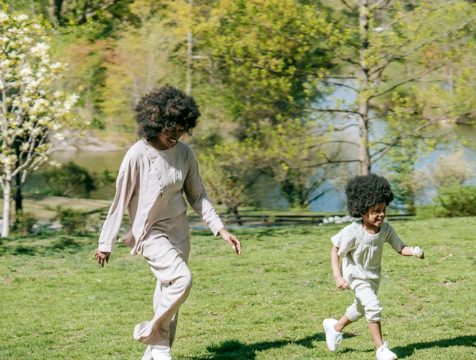
For children and adolescents, aerobic exercise is a crucial component of a healthy lifestyle. With the rise of sedentary activities like screen time, it’s more important than ever to encourage kids to engage in physical activities that get their hearts pumping. Aerobic exercises like running, dancing, or cycling are great ways to help children develop healthy habits while also improving their physical coordination and strength. These activities not only enhance physical fitness but also foster social skills when done in groups, whether it’s playing a team sport or taking part in a community event like a fun run. Additionally, aerobic exercise can help children develop emotional resilience, as physical activity is linked to better mood regulation and lower levels of anxiety and depression.
For adolescents, engaging in regular aerobic activity can set the foundation for a lifetime of good health. Whether through sports, recreational activities, or more structured exercises like aerobics classes or cycling, teens can benefit from the endorphin boost that comes from cardio workouts. These exercises promote better sleep, help with focus and concentration, and improve self-esteem. The positive effects of aerobic exercise can also extend into school performance, with students who are physically active tending to perform better academically and experience less stress.
As we move into adulthood, the importance of aerobic exercise remains paramount. In fact, many adults find that maintaining a regular aerobic routine is one of the best ways to manage stress, boost energy, and promote overall mental clarity. Adults who participate in activities such as jogging, swimming, or cycling can significantly reduce their risk of chronic diseases like heart disease, type 2 diabetes, and high blood pressure. In addition to the physical benefits, aerobic exercise helps improve mood and mental well-being, thanks to the release of endorphins, the body’s natural “feel-good” hormones. Aerobic exercises are also great for maintaining weight and muscle tone, which can become more challenging as we age.
For individuals looking for a low-impact option that still provides the benefits of cardiovascular exercise, swimming or water aerobics is an excellent choice. The buoyancy of the water supports the body, reducing the risk of joint strain or injury, making it an ideal activity for people with arthritis or those recovering from injuries. Water aerobics, in particular, can be a fun and social way to engage in aerobic exercise, and many community centers offer group classes that cater to a wide range of fitness levels.
Cycling is another excellent option for adults looking to maintain cardiovascular health while avoiding high-impact exercises that could stress the joints. Cycling can be done outdoors or indoors on a stationary bike, and it offers the benefit of being an adaptable workout that can range from easy-going to intense. Outdoor cycling, especially, allows for exploration of different terrains, offering a change of scenery and added motivation to get outside and be active. Additionally, cycling is a great workout for building leg strength and improving coordination.
For older adults, aerobic exercises are just as important—if not more so. Staying physically active as you age helps maintain independence, supports mobility, and reduces the risk of falls or injuries. It can also have a profound impact on mental health, as staying active is associated with a lower risk of cognitive decline, depression, and anxiety. Walking, for instance, is a fantastic low-impact aerobic exercise that can be done anywhere and requires no special equipment. Whether walking around the block, in a park, or even at a mall, the rhythmic motion of walking can be calming and meditative, helping clear the mind and reduce stress.
For seniors who want to take their fitness to the next level, activities like low-impact aerobics or chair aerobics can offer a great cardiovascular workout while keeping the joints safe. Chair aerobics, in particular, is designed for people who may have limited mobility but still want to improve their strength, flexibility, and heart health. These seated exercises can be done in a group setting or at home, and they often involve gentle movements like arm raises, leg lifts, and marching in place to get the blood flowing and the heart rate elevated. Many seniors find that this form of aerobic exercise not only helps with their physical health but also boosts their mood and provides a sense of accomplishment.
Incorporating aerobic exercise into your daily routine doesn’t have to be complicated. For many people, simply taking the time to enjoy a walk, dance to their favorite music, or engage in a fun outdoor activity can be all it takes to experience the uplifting benefits of aerobic exercise. The most important thing is to find an activity that feels enjoyable and sustainable, allowing you to stay motivated and committed to maintaining an active lifestyle.
The mental benefits of aerobic exercise are just as important as the physical ones. Regardless of age, aerobic exercise promotes the release of endorphins, which are natural chemicals that improve mood and reduce feelings of stress. Whether you’re a child, teenager, adult, or senior, regular aerobic activity can be a powerful tool for managing the ups and downs of daily life. As a bonus, aerobic exercise can also improve sleep quality, boost energy levels, and enhance cognitive function, helping you feel more focused and alert throughout the day.
The beauty of aerobic exercises for all ages is their ability to be adapted to individual needs and preferences. There’s no one-size-fits-all approach to exercise, and finding an aerobic activity that fits your lifestyle, interests, and abilities is key to long-term success. Whether you enjoy a high-energy workout or a more relaxed, low-impact exercise, the goal is to stay active and reap the numerous benefits that aerobic activity offers.
In conclusion, aerobic exercises are a powerful tool for enhancing health, mood, and overall quality of life at any age. From children to seniors, the ability to engage in uplifting cardiovascular activities is within everyone’s reach. The physical and mental health benefits of aerobic exercise are countless, and they serve to enhance both longevity and well-being. By incorporating a variety of aerobic exercises into your routine, you can enjoy a well-rounded, balanced lifestyle that supports both physical and mental health. So, no matter your age, take the time to get moving and experience the joy and vitality that come with a healthy heart and active body.