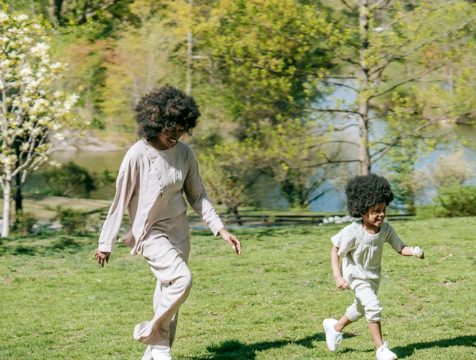
Growing with flexibility is about learning how to move through life with openness, patience, and a willingness to adapt.
Life rarely follows a straight path, and flexibility helps us respond to changes without losing our sense of balance.
When we allow ourselves to be flexible in our thoughts, habits, and expectations, we create space for growth that feels natural rather than forced. This mindset supports both personal well-being and long-term happiness in everyday life.
Flexibility begins in the mind. A flexible mindset means understanding that not everything will go as planned, and that this is not a failure. Instead of seeing change as a disruption, it can be viewed as an invitation to learn something new. When plans shift or challenges appear, flexibility allows us to pause, reassess, and choose a response that supports our goals. This approach reduces stress because it replaces resistance with acceptance, making daily experiences feel more manageable and meaningful.
Growing with flexibility also means being kind to yourself during moments of uncertainty. Many people feel pressure to have everything figured out, but growth often comes from experimentation and small adjustments over time. When you allow room for mistakes and learning, you build resilience. Flexibility encourages progress without perfection, reminding us that personal development is a journey rather than a destination. Each experience, whether smooth or challenging, becomes part of that journey.
In daily routines, flexibility can show up in simple ways. It might mean adjusting your schedule when unexpected tasks arise or finding a different approach when something is not working. Rather than clinging to one rigid method, flexibility helps you explore alternatives that fit your current situation. Over time, this habit builds confidence because you trust your ability to adapt. You learn that you can handle change, even when it feels uncomfortable at first.
Relationships also benefit from flexibility. Everyone has different perspectives, needs, and ways of communicating. When we approach others with a flexible attitude, we become better listeners and more understanding. This does not mean giving up your values, but it does mean being open to compromise and empathy. Growing with flexibility in relationships creates stronger connections because it encourages mutual respect and patience, even during disagreements.
Flexibility supports emotional growth as well. Emotions can shift throughout the day, influenced by experiences, thoughts, and interactions. Allowing yourself to feel these changes without judgment helps you respond in healthier ways. Instead of suppressing emotions or reacting impulsively, flexibility invites reflection. You can acknowledge how you feel, understand why, and decide how to move forward in a way that aligns with your well-being.
Learning and personal development thrive in a flexible environment. When you remain open to new ideas, feedback, and skills, growth becomes continuous. Flexibility helps you step outside familiar patterns and explore possibilities that may have once felt intimidating. This openness encourages curiosity, making learning an enjoyable process rather than a stressful obligation. As a result, you become more adaptable in both personal and professional settings.
Physical flexibility often reflects mental flexibility. Gentle movement, stretching, or mindful activity can support the body while also calming the mind. These practices remind us that progress happens gradually. Just as muscles need time to adjust, personal growth requires patience and consistency. Embracing this idea helps reduce frustration and supports a healthier relationship with your body and your goals.
Growing with flexibility also means understanding that priorities can change. What mattered deeply at one stage of life may shift as circumstances evolve. Flexibility allows you to honor these changes without guilt. By reassessing your goals and values from time to time, you ensure that your actions align with who you are becoming. This alignment creates a sense of purpose that feels authentic and sustainable.
In times of challenge, flexibility becomes especially valuable. Unexpected events can test patience and confidence, but a flexible approach helps you find solutions rather than focusing on limitations. It encourages creative thinking and problem-solving, turning obstacles into opportunities for growth. Each challenge faced with flexibility strengthens resilience and builds trust in your ability to navigate future changes.
Flexibility does not mean lacking direction or commitment. Instead, it means staying connected to your core values while allowing the path forward to evolve. This balance supports steady growth without unnecessary pressure. You remain focused on what matters while adapting to what is possible in the present moment. Over time, this approach leads to more fulfilling outcomes and a greater sense of peace.
Growing with flexibility is a lifelong practice. It develops through awareness, reflection, and small choices made each day. By welcoming change, practicing patience, and staying open to learning, flexibility becomes a natural part of how you live. This mindset supports growth that feels supportive rather than overwhelming, helping you move forward with confidence and ease.
Ultimately, flexibility allows growth to feel human. It honors the reality that life is complex and constantly changing. When you grow with flexibility, you learn to trust the process, adapt with grace, and appreciate progress in all its forms. This gentle, open approach creates a foundation for a balanced and fulfilling life, where growth is not rushed but thoughtfully embraced.