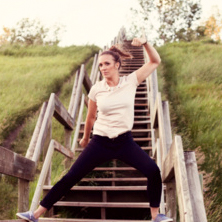
Starting or continuing a gym routine should feel encouraging rather than intimidating.
Many people want to train consistently but worry about discomfort, soreness, or feeling out of place in the gym environment.
A supportive gym routine is designed to remove those barriers by focusing on comfort, confidence, and steady progress. When training feels approachable and kind to your body, it becomes much easier to stay committed and enjoy the process.
Comfortable training begins with the right mindset. A gym routine does not need to be extreme to be effective. Instead of pushing to exhaustion every session, the goal is to move well, build strength gradually, and leave the gym feeling better than when you arrived. This approach supports long-term health and makes exercise something you look forward to rather than something you feel forced to do. Progress still happens, but it happens in a sustainable way.
Before any workout begins, taking time to warm up properly is essential. A supportive routine always includes gentle movements that prepare the body for exercise. Light cardio such as walking on a treadmill or using a stationary bike helps raise body temperature and increase blood flow. Simple mobility movements for the shoulders, hips, and spine help joints feel more relaxed and ready to move. Warming up reduces stiffness and lowers the risk of strain, which is especially important for those who value comfortable training.
Strength training in a supportive gym routine focuses on full-body balance rather than isolating one area too aggressively. Exercises that use natural movement patterns are often more comfortable and practical. Squats, presses, rows, and controlled hinging movements help strengthen major muscle groups while supporting everyday activities. Using machines, resistance bands, or light free weights allows you to choose options that feel stable and secure. Comfort comes from selecting tools and exercises that match your current ability level.
One key element of comfortable training is respecting your own pace. A supportive routine encourages you to rest when needed and avoid comparing yourself to others. Rest periods between sets are not a sign of weakness but a way to allow your body to recover and perform better. Breathing steadily and staying aware of how your muscles feel helps prevent overexertion. Over time, strength and endurance improve naturally without forcing the body into discomfort.
Form and technique play a major role in how comfortable a workout feels. Moving with control and proper alignment reduces unnecessary stress on joints and muscles. A supportive gym routine prioritizes quality over quantity. Lifting lighter weights with good form often feels smoother and safer than lifting heavy weights with poor technique. When movements feel stable and confident, training becomes more enjoyable and less intimidating.
Comfortable training also includes listening to feedback from your body. Some muscle fatigue is normal, but sharp pain or joint discomfort is a sign to adjust. A supportive routine allows flexibility to modify exercises or reduce intensity on days when energy levels are lower. This adaptability helps prevent injuries and keeps training consistent over time. Fitness is not about perfection but about showing up and doing what feels right for your body that day.
Cardiovascular exercise can also be part of a supportive gym routine when approached with comfort in mind. Low-impact options such as cycling, elliptical training, or swimming are gentle on the joints while still supporting heart health. The goal is to maintain a pace where breathing feels steady and manageable. Being able to hold a light conversation during cardio is often a good indicator of a comfortable intensity level.
Recovery is just as important as the workout itself. A supportive routine includes time for cooling down and gentle stretching. Slowing the heart rate after exercise helps the body transition back to a resting state. Stretching muscles lightly can reduce tension and promote relaxation. This recovery period is also a chance to reflect on how the session felt and acknowledge the effort you put in, no matter how small it may seem.
Consistency is where comfortable training truly shines. When workouts feel supportive and manageable, it becomes easier to maintain a regular schedule. Even shorter sessions done consistently can lead to meaningful improvements in strength, mobility, and overall well-being. A routine that fits into your lifestyle without causing stress is more effective than an intense plan that feels overwhelming.
A supportive gym routine also supports mental well-being. Exercise can be a time to focus inward, release daily stress, and build confidence. Feeling comfortable in the gym environment helps reduce anxiety and self-doubt. Wearing clothes that allow easy movement, choosing quieter times to train if preferred, and creating a simple routine you understand all contribute to a more positive experience. Over time, this sense of comfort builds familiarity and confidence.
Nutrition and hydration play a subtle but important role in comfortable training. Eating balanced meals and drinking enough water help support energy levels and recovery. There is no need for extreme diets or complicated plans. Simple, nourishing choices help the body respond better to exercise and reduce feelings of fatigue or discomfort during workouts.
As strength and endurance improve, a supportive routine allows gradual progression. This might mean adding a small amount of weight, increasing repetitions slightly, or extending workout duration by a few minutes. Progression should feel like a natural step forward rather than a sudden leap. This steady approach keeps training comfortable while still encouraging growth.
Ultimately, a supportive gym routine is about creating a positive relationship with exercise. Comfortable training respects individual differences and recognizes that everyone’s fitness journey is unique. By focusing on gentle progression, proper movement, and self-awareness, the gym becomes a place of support rather than pressure. When exercise feels comfortable and welcoming, it becomes a lasting habit that supports both physical health and overall quality of life.