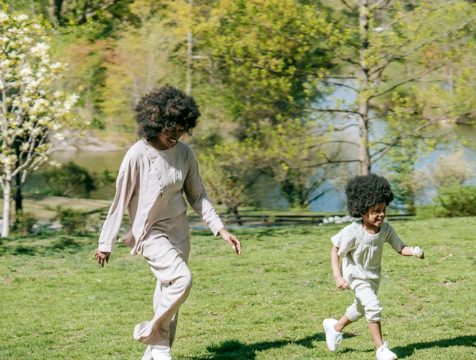
Walking is one of the simplest and most accessible forms of exercise, yet it holds profound benefits for both body and mind.
A daily walk offers more than just physical movement; it can provide moments of calm, reflection, and connection with your surroundings.
Approaching walking as a peaceful, intentional practice can transform a routine activity into a restorative habit that enhances well-being and nurtures balance in everyday life.
The first step in enjoying daily walks is to set aside time with intention. Even a brief period of twenty to thirty minutes can be meaningful if approached mindfully. Choosing a consistent time each day helps establish walking as a habit and provides a reliable opportunity to pause and focus on yourself. Early mornings or late afternoons often bring quiet streets and gentle light, offering a natural backdrop for reflection and presence. By treating your walk as a dedicated time for yourself, it shifts from a chore to a cherished ritual.
Creating a peaceful mindset begins before you even step outside. Leave behind the worries and distractions of the day, even if only for a short while. Let go of tasks and responsibilities, and allow your attention to settle on the experience of walking itself. This intentional shift cultivates mindfulness, helping you notice sensations, sounds, and sights that might otherwise pass unnoticed. Simple awareness of each step, the rhythm of your breath, or the breeze on your skin can enhance the sense of calm and presence.
Choosing a route that appeals to your senses can significantly enhance the enjoyment of daily walks. Parks, tree-lined streets, waterfronts, or quiet neighborhoods provide different experiences, each with its own benefits. Natural environments are especially restorative, offering fresh air, greenery, and subtle sounds of birds or water. Even familiar routes can feel new when approached with curiosity and attention. Exploring your surroundings and observing small details creates a sense of discovery and adds richness to the practice of walking.
Walking mindfully encourages a deeper connection with your body. Notice the way your feet touch the ground, the movement of your legs, and the alignment of your posture. Feeling your body in motion fosters awareness of strength, flexibility, and balance. Paying attention to these physical sensations not only enhances the experience but also reinforces a gentle appreciation for your body’s capabilities. Daily awareness through walking can cultivate a respectful and nurturing relationship with your physical self.
Another key element of a peaceful walk is the regulation of pace. There is no need to rush or measure distance with intensity in mind. Slower, steady steps allow the mind to settle and the body to relax. Walking at a comfortable pace encourages deeper breathing, which in turn promotes relaxation and mental clarity. On days when energy is high, a slightly brisker pace can invigorate, while on more restful days, a slower pace supports calm and reflection. Honoring your body’s needs in this way nurtures a sense of harmony rather than pressure.
Incorporating sensory awareness can deepen the calming effect of daily walks. Listen to the sounds around you, whether it is birdsong, rustling leaves, or distant city hums. Observe the colors and textures of your environment, noting subtle changes in light or the movement of shadows. Smell the air and notice fragrances carried by the breeze. Engaging the senses fully transforms a walk into a multi-layered experience, connecting you to the present moment and fostering a sense of peace and appreciation.
Walking alone offers an opportunity for reflection and mental clarity. Without the need for conversation or attention to others, the mind can gently wander or focus on thoughts and ideas. Some people find that problems feel more manageable during walks, as the combination of movement and solitude encourages perspective and calm. Journaling ideas, reflecting on personal goals, or simply observing thoughts without judgment can all be supported by the rhythmic motion of walking.
For those who enjoy social connection, walking with a companion can also be peaceful when approached intentionally. Choosing to walk with someone without distraction from phones or tasks creates a shared, mindful experience. Conversations may flow naturally, or quiet moments can be embraced together. The key is to maintain awareness and presence rather than letting the walk become a background activity. In this way, walking can support both personal reflection and meaningful connection with others.
Integrating gentle stretching or pauses during walks can further enhance the restorative effect. Brief stops to stretch the legs, roll the shoulders, or take a few deep breaths can refresh the body and encourage relaxation. Pausing to notice surroundings or simply stand in stillness adds a meditative element to the practice. These small gestures deepen the experience, emphasizing care and attentiveness rather than rushing to complete a set distance.
A peaceful walk also benefits mental health by reducing stress and encouraging a sense of balance. Stepping outside, even briefly, provides a break from screens, obligations, and the constant flow of information. Daily exposure to natural light and fresh air supports mood and cognitive function. Over time, this consistent practice can build resilience and provide a gentle buffer against the pressures of modern life. Walking becomes not just movement but a form of self-care that nurtures both mind and body.
Setting intentions for each walk can enhance mindfulness and satisfaction. You might intend to notice three things you have not seen before, focus on your breathing, or simply let your mind rest. Intentions give purpose to the walk without creating pressure or expectation. They encourage a gentle, reflective approach, reminding you that the value of a walk lies in presence and experience rather than distance or speed.
Embracing consistency without rigidity supports long-term enjoyment. Even short walks on busy days contribute to overall well-being. The key is to approach walking as a flexible and adaptable practice. If you miss a scheduled walk, a shorter stroll or a walk at a different time can maintain continuity without creating guilt. This compassionate approach ensures that daily walking remains a source of calm and pleasure, not a source of stress or obligation.
Finally, acknowledging the simple accomplishment of each walk reinforces a positive mindset. Completing a daily walk, regardless of pace or distance, is a meaningful act of care for yourself. Recognizing this achievement fosters gratitude and encourages continued practice. Over time, these small, consistent acts of movement contribute to a sense of grounding, calm, and well-being that extends beyond the walk itself.
Daily walks can become a peaceful, restorative practice when approached with attention, intention, and kindness toward oneself. By prioritizing presence, listening to your body, engaging the senses, and embracing consistency with flexibility, each walk transforms from a routine activity into an enriching experience. Walking offers the opportunity to connect with your surroundings, cultivate mindfulness, and nurture mental and physical health, creating a quiet rhythm that supports balance and clarity in everyday life.
A peaceful approach to walking reminds us that well-being often comes in small, consistent moments rather than dramatic actions. Each step taken mindfully fosters calm, reflection, and connection, making daily walks a simple yet profound practice. Over time, this gentle commitment to movement cultivates a sense of harmony, helping you feel grounded, refreshed, and present in both your walks and your life.