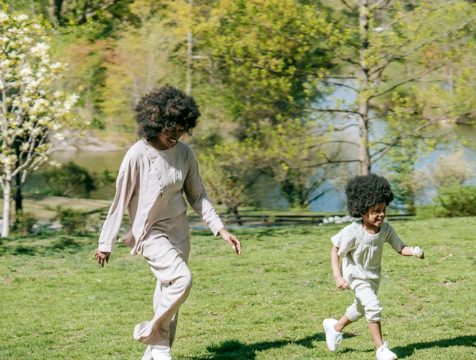
Walking is often seen as a simple, everyday activity, a practical way to get from one place to another or to maintain physical health.
Yet, beyond its physical benefits, walking holds a remarkable potential to enhance creative thinking.
The gentle rhythm of movement, the change of scenery, and the opportunity for mental space all contribute to a state of mind that encourages insight, problem-solving, and imaginative thinking. Understanding this connection can transform a routine walk into a powerful tool for innovation and personal growth.
One of the primary ways walking boosts creativity is by providing mental freedom. Unlike many tasks that require intense focus and structured thinking, walking allows the mind to wander in a relaxed and unpressured environment. This state of free thought encourages novel connections between ideas that might not occur when sitting at a desk or staring at a screen. Even a short walk can stimulate this mental openness, giving the brain room to explore possibilities without judgment or constraint.
Walking outdoors further amplifies this effect. Exposure to natural surroundings, such as parks, tree-lined streets, or waterfront paths, engages the senses in subtle ways. The sound of rustling leaves, the movement of water, or the changing light throughout the day draws attention outward, creating a balance between internal reflection and external observation. This sensory engagement encourages associative thinking, which is a key component of creativity. Observing the nuances of the environment often inspires new ideas and perspectives that would not arise in a static, indoor setting.
The physical rhythm of walking also plays a significant role in creative enhancement. The repetitive motion of legs and the steady pace of movement help regulate breathing and heart rate, creating a calm but alert mental state. This rhythm encourages a meditative focus, where thoughts can flow naturally and without interruption. Studies have shown that such movement-based states can increase divergent thinking, the type of thinking that generates multiple solutions to a problem, which is central to creative processes.
In addition to stimulating divergent thinking, walking encourages problem-solving. When faced with a challenge, stepping away from a fixed environment and moving physically can allow the brain to approach the issue from a fresh angle. The change of scenery and the act of walking reduce cognitive rigidity, making it easier to consider alternative solutions. Many creative professionals and thinkers have historically credited walking with helping them overcome mental blocks and develop innovative ideas. The act of moving through space often mirrors the mental movement necessary to shift perspective and discover new approaches.
Walking also fosters reflection, which is an essential part of the creative process. During a walk, there is often a quiet rhythm that encourages introspection and deeper thought. Reflecting on previous experiences, current challenges, or future plans in a calm, undistracted state can reveal patterns, connections, and insights that might otherwise remain unnoticed. This reflective component of walking allows the mind to process information subconsciously, integrating experiences and knowledge in ways that support imaginative thinking.
The social dimension of walking can further enhance creative thinking. Walking with a companion or in small groups allows for conversation and idea exchange in a relaxed environment. Unlike formal meetings or structured brainstorming sessions, the fluidity of walking conversations encourages spontaneous thought and playful dialogue. Sharing observations and thoughts while moving can spark new ideas, encourage collaboration, and foster a dynamic exchange of perspectives. The combination of movement and conversation often leads to richer, more inventive solutions than static discussions alone.
The flexibility of walking also contributes to its creative benefits. Walks can vary in length, pace, and environment, allowing individuals to tailor their experience to personal needs. A short, brisk walk might invigorate and energize the mind, while a longer, leisurely stroll provides ample space for reflection and mental exploration. This adaptability makes walking a versatile tool for stimulating creativity, capable of supporting both immediate problem-solving and long-term conceptual thinking.
Mindfulness during walking can further enhance its impact on creative thinking. Paying attention to the sensations of each step, the rhythm of breath, or the details of the surroundings anchors the mind in the present moment. This focus reduces mental clutter and allows cognitive resources to shift toward imaginative thought. Mindful walking encourages awareness and observation, skills that are essential for creative insight and the generation of original ideas. The combination of presence and movement creates a fertile environment for creative processes to emerge naturally.
Incorporating breaks and pauses during walks can also support creativity. Stopping to observe a detail, take a deep breath, or simply rest in the environment allows the mind to consolidate thoughts and make connections. These brief pauses, interspersed with movement, create a rhythm of engagement and reflection that can enhance problem-solving and innovation. The interplay between motion and stillness mirrors the balance between divergent and convergent thinking, providing a natural structure for creative cognition.
Walking in different environments further stimulates creativity by exposing the mind to novelty. Exploring new paths, neighborhoods, or natural settings introduces unfamiliar sights, sounds, and experiences. This novelty challenges habitual patterns of thought and encourages the formation of new neural connections. Encountering diversity during a walk, whether through varied landscapes, architecture, or cultural elements, broadens perspective and enhances the mind’s capacity to generate fresh ideas.
Technology can complement walking for creativity when used intentionally. Listening to inspiring music or an engaging podcast while walking can provide a backdrop for thought without overwhelming mental space. Digital tools that track paths, distances, or patterns of movement can also provide insights or motivation that support reflective or imaginative thinking. However, it is important to maintain a balance, ensuring that technology enhances rather than distracts from the reflective and sensory experience of walking.
The cumulative effect of regular walking on creativity is significant. Making walking a daily or frequent practice strengthens the habit of giving the mind space and freedom to explore. Over time, the mental benefits accumulate, leading to a more consistent ability to generate ideas, solve problems, and approach challenges with originality. Walking becomes more than a physical activity; it becomes a deliberate practice for nurturing creativity and sustaining cognitive flexibility.
In conclusion, walking offers a unique and accessible way to enhance creative thinking. Its combination of movement, sensory engagement, reflective opportunity, and environmental variation creates conditions conducive to insight, problem-solving, and imaginative exploration. Whether walking alone to foster introspection or with others to stimulate dialogue, each walk presents an opportunity for the mind to expand and generate novel ideas.
By integrating walking into daily routines, individuals can cultivate a natural rhythm that supports both physical well-being and cognitive creativity. Paying attention to pace, environment, and mindfulness during walks amplifies these benefits, turning simple movement into a powerful tool for innovation. Embracing walking as a practice for creativity encourages a holistic approach to mental, emotional, and physical health, demonstrating that even the simplest activities can nurture profound growth.
Regular walking reminds us that creativity is not only about intense effort or structured brainstorming sessions. It is also about movement, presence, and the gentle unfolding of ideas in a calm and supportive environment. By approaching walking with intention and awareness, each step becomes a catalyst for imaginative thought, making the act of walking a quietly powerful practice for enhancing creative thinking.