Running is often associated with competition, whether it is chasing personal records, participating in races, or comparing pace with friends.
While competition can be motivating for some, it is not the only way to enjoy running.
Many people find joy, satisfaction, and mental benefits from running without ever feeling the need to compete. Learning how to approach running as a personal, non-competitive activity allows individuals to focus on movement, mindfulness, and well-being rather than performance metrics. This mindset can make running more sustainable, enjoyable, and accessible for everyone.
One of the first steps to enjoying running without competition is redefining your goals. Instead of focusing on speed, distance, or beating others, emphasize personal growth, consistency, and the pleasure of movement. Goals can include simply finishing a run, exploring new routes, or running for a set period of time. By setting intentions that are personal and process-oriented, running becomes an enjoyable activity rather than a task tied to performance. This shift in perspective helps reduce pressure and allows runners to appreciate the experience itself.
Running for mental health and well-being can enhance enjoyment without the need for competition. Many runners use sessions as a way to clear the mind, relieve stress, or reflect on personal challenges. Focusing on the calming effects of movement rather than performance allows running to become a restorative practice. Mindful attention to breath, posture, and the rhythm of footsteps encourages presence and reduces mental clutter. Over time, this approach helps runners associate running with relaxation and clarity, making each session rewarding regardless of pace or distance.
Exploring new environments can make running exciting and enjoyable without competition. Discovering trails, parks, neighborhoods, or scenic paths adds novelty and stimulation to each run. Paying attention to sights, sounds, and sensations fosters engagement and curiosity. Exploring different routes transforms running from a routine exercise into a form of adventure. By focusing on the experience of discovery rather than performance, runners can enjoy the freedom and variety of movement.
Running at a comfortable pace is key to non-competitive enjoyment. Many runners feel pressure to maintain a fast pace, but running too hard can lead to fatigue, frustration, or injury. Emphasizing comfort and ease allows the body to move naturally and helps prevent unnecessary stress. Slow or moderate runs provide the opportunity to focus on breathing, form, and the sensations of running, creating a sense of flow and ease. By removing the expectation of speed, each run can feel more relaxing and fulfilling.
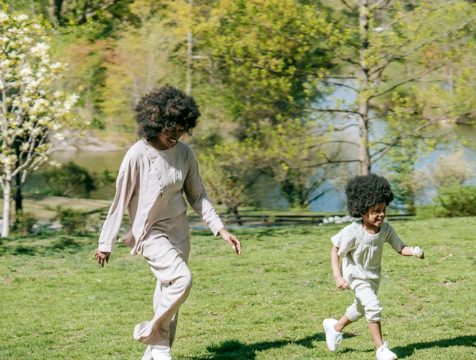
Social running can also enhance enjoyment without introducing competition. Running with friends, family, or community groups can provide connection, encouragement, and shared experience. Conversations, laughter, and mutual support make runs feel lighter and more pleasurable. Social runs emphasize collaboration and companionship rather than performance, fostering a positive and inclusive atmosphere. Sharing the experience of movement with others allows runners to focus on enjoyment and connection rather than comparison.
Using running as a form of personal reflection encourages a deeper appreciation for the activity. Many runners find that solo runs provide an opportunity to process thoughts, solve problems, or set intentions for the day. Journaling before or after runs, noting observations, or reflecting on feelings during movement enhances self-awareness and personal growth. Running becomes a tool for introspection and mindfulness, creating meaningful personal time that is independent of competition.
Incorporating variety into runs helps maintain interest and reduces the temptation to measure performance. Alternating between different routes, terrains, and durations prevents monotony and keeps the experience fresh. Trying trail runs, beach runs, or urban routes provides new challenges and sensory experiences without emphasizing speed or comparison. Variety allows runners to focus on the pleasure of movement and exploration, creating a sustainable and engaging routine.
Focusing on physical well-being rather than performance metrics reinforces enjoyment. Running strengthens the heart, improves circulation, builds endurance, and enhances overall fitness. Appreciating these benefits allows runners to see value in each session without measuring outcomes against others. Paying attention to body awareness, such as posture, stride, and breathing, shifts attention to the experience of running itself. This focus on physical health promotes a sense of accomplishment and satisfaction independent of competition.
Setting personal rituals around running can make the activity more enjoyable. Rituals may include warming up with gentle stretches, following a favorite route, listening to preferred music or podcasts, or concluding with mindful breathing or stretching. Rituals provide structure and reinforce the idea that running is a personal, rewarding practice. By creating habits and routines that feel meaningful, runners can associate the activity with pleasure and care rather than comparison or achievement.
Mindset is central to enjoying running without competition. Emphasizing curiosity, exploration, and self-compassion encourages a positive relationship with the activity. Accepting that some runs may feel more challenging than others without judgment fosters resilience and reduces stress. Celebrating the effort itself rather than results helps reinforce the intrinsic value of running. This approach cultivates a sense of freedom and personal satisfaction that is independent of speed, distance, or comparison with others.
Technology can support non-competitive running when used mindfully. Apps or devices can track progress without creating pressure. For instance, using tools to monitor consistency, total time spent moving, or simply to log experiences can provide useful information while keeping the focus on personal growth. Avoiding constant comparison or ranking ensures that technology serves as a supportive tool rather than a source of stress. This way, tracking becomes a method of self-awareness rather than competition.
Recovery and listening to your body are important for maintaining a positive running experience. Running without the pressure to perform allows you to honor fatigue, rest when needed, and adjust your pace or distance accordingly. This respect for personal limits ensures that running remains enjoyable and sustainable. By prioritizing well-being over achievement, each session becomes a balanced and restorative activity.
Celebrating the mental and emotional benefits of running reinforces enjoyment. The release of endorphins, the reduction of stress, and the sense of personal accomplishment are all rewards that do not depend on competing. Recognizing these benefits strengthens motivation and encourages continued participation. Over time, running becomes associated with pleasure, clarity, and well-being, rather than obligation or comparison.
Finally, embracing running as a personal journey rather than a performance challenge allows for long-term sustainability. Each run is an opportunity to connect with your body, your surroundings, and your thoughts. By focusing on enjoyment, presence, and personal growth, running transforms into an experience that nurtures both physical and mental health. This perspective ensures that running remains a fulfilling activity for life, free from the pressures of competition.
In conclusion, running can be deeply satisfying and motivating without the need for competition. By redefining goals, embracing mindfulness, exploring new environments, running at a comfortable pace, engaging socially without comparison, and establishing personal rituals, runners can cultivate an enjoyable and sustainable practice. Prioritizing well-being, reflection, and presence transforms running into a personal journey of discovery and fulfillment. Approaching running without competition allows the activity to serve as a source of joy, relaxation, and self-connection, making it a rewarding and lasting part of everyday life.