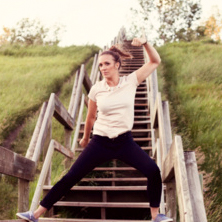
Running is a deeply personal activity, and no two runners are exactly alike.
Each person develops a unique running style influenced by factors such as body mechanics, experience, goals, and natural tendencies.
Understanding your running style is key to improving performance, preventing injury, and making running more enjoyable. When runners pay attention to their movement patterns, strengths, and areas for improvement, they can tailor training to suit their needs and achieve better results over time.
One of the first steps in understanding your running style is observing your natural stride. Some runners have a longer, more relaxed stride, while others favor shorter, quicker steps. Stride length and cadence affect efficiency, impact on joints, and energy expenditure. A longer stride may help cover distance quickly but can also increase stress on muscles and joints if not executed with proper form. Conversely, a quicker cadence can reduce impact and improve rhythm, but may require additional effort to maintain speed. Recognizing your natural stride provides a foundation for refining technique and optimizing performance.
Foot strike is another key element of running style. How your foot contacts the ground—whether landing on the heel, midfoot, or forefoot—affects the way forces are absorbed and distributed throughout the body. Heel strikers often rely on cushioning and forward momentum, while midfoot and forefoot runners engage muscles differently to control impact and propulsion. Understanding foot strike can help identify potential areas of stress or imbalance and inform decisions about footwear, training adjustments, and injury prevention strategies.
Posture and alignment play a crucial role in running efficiency and comfort. Runners who maintain a tall, relaxed posture with a slight forward lean from the ankles tend to move more efficiently. Shoulders should remain relaxed, arms swinging naturally at the sides, and the core engaged to support stability. Poor posture, such as hunching or overstriding, can create tension, reduce endurance, and increase the risk of injury. Paying attention to alignment and posture allows runners to identify habits that may hinder performance and make small adjustments that enhance both comfort and efficiency.
Breathing patterns are also an important aspect of running style. Some runners naturally use deep, rhythmic breathing, while others take shallower or irregular breaths. Efficient breathing delivers oxygen to muscles effectively, supports endurance, and helps maintain a steady pace. Observing breathing habits during different intensities and distances can reveal areas for improvement and inform strategies for energy management. Practices such as rhythmic breathing, diaphragmatic breathing, or controlled inhalation and exhalation can help optimize performance while keeping the mind and body calm.
Understanding your running style involves recognizing strengths as well as areas that may need attention. For example, some runners naturally excel at endurance, while others have a strength advantage for sprinting or hill work. Identifying these tendencies allows you to structure training around natural strengths while addressing weaknesses. Strengthening supporting muscles, improving flexibility, and practicing drills that enhance balance or agility can complement your inherent style and reduce the risk of overuse injuries.
Analyzing running style also helps in selecting appropriate footwear and gear. Different running mechanics place stress on various parts of the foot, leg, and body. Foot shape, gait, and pronation influence which shoes provide the right support, cushioning, and stability. Wearing shoes suited to your unique running style enhances comfort, reduces injury risk, and allows you to run with greater confidence and efficiency. A proper fit and style match create a foundation for enjoyable and sustainable running.
In addition to physical aspects, running style encompasses mental tendencies and approach. Some runners are naturally steady and methodical, maintaining a consistent pace and relying on endurance. Others prefer bursts of speed, varied intervals, or challenging terrain. Recognizing your mental approach to running helps in structuring training and setting realistic goals. A style that aligns with natural preferences fosters enjoyment, reduces stress, and enhances adherence to a consistent routine.
Trail, road, and track running each require subtle adaptations to running style. Trails often demand shorter steps, careful foot placement, and heightened awareness of terrain, while road running allows for more consistent strides and pacing. Track running emphasizes speed, cadence, and precision. Understanding how your style translates across these environments helps you adjust technique to suit conditions and minimize fatigue or injury. Adapting to different surfaces enhances versatility and overall running skill.
Paying attention to fatigue and recovery patterns is another way to understand your style. Certain running styles may place more stress on specific muscle groups or joints. Noticing which areas feel tired or sore after different runs helps identify movement tendencies and informs training adjustments. Incorporating stretching, strength exercises, or foam rolling can address imbalances and support long-term sustainability. Understanding how your body responds to different distances, intensities, and terrain provides insight into your personal style and limits.
Video analysis and coaching can accelerate the process of understanding running style. Recording your stride, posture, and arm movement, or consulting a running coach, can reveal subtle patterns not easily detected while running. Visual feedback allows you to observe alignment, cadence, and foot strike in real time, making it easier to identify adjustments that improve efficiency and reduce risk of injury. Even small corrections, once implemented consistently, can lead to noticeable improvements in comfort, speed, and endurance.
Flexibility and mobility also influence running style. Adequate range of motion in the hips, ankles, and shoulders allows for a smoother, more natural stride. Tight muscles or restricted joints can force compensatory movements, which may lead to inefficiency or injury over time. Regular stretching, mobility exercises, and strength work tailored to your body’s needs support a style that is both effective and sustainable. By maintaining flexibility, runners allow their natural style to flourish without unnecessary strain.
Listening to your body is a key component of understanding running style. Awareness of subtle signals, such as fatigue, tension, or discomfort, provides feedback that informs adjustments in form, pace, or training load. Being attuned to these cues allows runners to adapt intelligently, prevent injury, and maintain a sustainable approach. Over time, this awareness becomes part of your style itself, blending physical mechanics with mental perception.
Finally, embracing individuality is essential. Running style is not about conforming to a universal ideal but understanding and optimizing your unique pattern. Every runner has a combination of stride, cadence, posture, foot strike, breathing, and mental approach that works best for them. Appreciating your own tendencies and refining them thoughtfully fosters confidence, efficiency, and enjoyment. By respecting individual differences, runners can build a sustainable practice that aligns with both their body and personal goals.
Understanding your running style is a blend of self-awareness, observation, and intentional adjustment. Stride, foot strike, posture, breathing, strengths, weaknesses, mental approach, and adaptability all contribute to a comprehensive picture. Paying attention to recovery, flexibility, gear, and environmental conditions complements this understanding. Whether through self-observation, journaling, or professional guidance, recognizing your unique style allows you to refine technique, prevent injury, and maximize enjoyment. By embracing your personal running style, every run becomes an opportunity to grow stronger, run more efficiently, and enjoy the journey on your own terms.