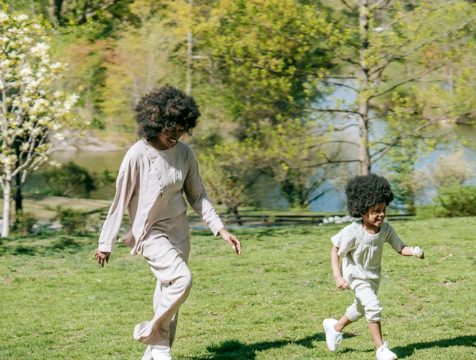
In a world that often values speed and productivity, the idea of walking slowly might feel unusual or even indulgent.
Yet, there is a quiet power in moving at a soft, deliberate pace.
A thoughtful walk allows the mind and body to synchronize, providing a moment of calm, reflection, and presence. It is not about covering miles or burning calories but about savoring the rhythm of movement, noticing the surroundings, and reconnecting with oneself. Approaching walking in this gentle, intentional way creates benefits that extend far beyond the walk itself, nurturing both mental clarity and emotional balance.
The appeal of a thoughtful walk begins with its simplicity. Unlike structured exercise routines that may require equipment, timing, or performance targets, a soft walk is accessible to anyone. All it requires is a willingness to step outside and move at a comfortable pace. This accessibility reduces pressure and invites consistency. Because thoughtful walks can be integrated into daily life with ease, they become a sustainable way to care for the body and mind. Even brief walks around the block or through a nearby park can offer a refreshing pause in a busy day.
One of the most noticeable benefits of walking at a soft pace is the enhanced sense of presence it brings. When the body moves gently, the mind naturally begins to notice details that are often overlooked. The subtle patterns of sunlight filtering through trees, the rustling of leaves, the distant laughter of children, or the gentle rhythm of passing cars—all become more vivid when attention is not rushed. This mindful observation strengthens awareness and encourages a deeper connection to the immediate environment. The simple act of slowing down allows the senses to engage fully, creating a richer experience of the world around you.
A thoughtful walk also encourages reflection and mental clarity. Moving at a slow pace creates space for the mind to wander gently, to consider ideas, solve problems, or simply observe thoughts without judgment. The repetition of steps provides a soothing rhythm that can calm mental chatter and reduce stress. This reflective quality turns a simple walk into a meditative practice, supporting emotional well-being and fostering a sense of calm focus. Over time, these walks can become a tool for cultivating perspective, helping to approach daily challenges with greater clarity and patience.
The soft pace of a thoughtful walk nurtures both body and breath. Unlike brisk or intense activity, walking slowly allows the body to move comfortably while the breath remains natural and steady. Paying attention to breathing during the walk enhances relaxation and supports mindful engagement. The gentle motion encourages subtle activation of muscles, promoting circulation, joint mobility, and overall physical comfort. By prioritizing ease over intensity, thoughtful walking fosters health in a way that feels restorative rather than taxing.
Thoughtful walks offer an opportunity to connect with nature and the surrounding environment. Spending time outdoors, even in urban settings, provides benefits for mood and perspective. Observing seasonal changes, appreciating plant life, or simply noticing the quality of light can elevate awareness and enhance a sense of well-being. This connection to the external world complements the internal reflection of the walk, creating a balanced experience of engagement with both body and mind. The act of slowing down encourages observation, curiosity, and appreciation, reminding walkers of the small details that enrich everyday life.
The social dimension of thoughtful walking can also be meaningful. Walking with a friend, family member, or companion provides a space for conversation that flows naturally without hurry. The gentle pace encourages attentive listening, calm discussion, and shared observation of the surroundings. Social walks of this kind foster connection, reduce stress, and create moments of enjoyment that strengthen relationships. Even brief shared walks can leave a lasting impression, contributing to both emotional well-being and a sense of community.
Flexibility is a defining feature of thoughtful walks. Unlike scheduled workouts or timed runs, soft walks can adapt to energy levels, mood, and available time. Some days may call for a longer, contemplative stroll, while others might be a few minutes of gentle movement between tasks. This flexibility allows the practice to remain sustainable and pleasurable, avoiding the pressure that can sometimes accompany structured exercise. Walking at a soft pace encourages listening to the body and adjusting the rhythm accordingly, reinforcing a positive and self-compassionate approach to movement.
Another benefit of thoughtful walking is its ability to stimulate creativity and insight. Many writers, artists, and thinkers have recognized the connection between gentle movement and new ideas. The combination of motion, sensory engagement, and reflective attention creates an environment where thoughts can flow more freely. Whether problem-solving, brainstorming, or simply letting the mind wander, soft walks offer the opportunity to tap into creativity without forcing it. The gentle rhythm encourages a relaxed mental state, which often leads to unexpected insights and inspiration.
Thoughtful walking also promotes habit formation and consistency. Because it is low pressure, enjoyable, and easy to integrate into daily life, walking at a soft pace can become a reliable part of a routine. Consistency allows the cumulative benefits—mental clarity, physical well-being, and emotional balance—to grow over time. By establishing a habit that is enjoyable rather than obligatory, thoughtful walks reinforce the idea that fitness and well-being do not always require intensity or perfection. The soft pace itself becomes part of the reward, as the mind and body anticipate the calm and connection that the walk provides.
Mindfulness can be cultivated through intentional observation during the walk. Noticing the temperature of the air, the textures underfoot, or the sounds of nature draws attention inward and outward simultaneously. This practice enhances awareness of bodily sensations and emotional states, creating a sense of presence that extends beyond the walk. Thoughtful walking can become a daily ritual for grounding, allowing the mind to reset, recharge, and approach the rest of the day with clarity and calm.
The restorative quality of soft walks makes them particularly beneficial for stress management. Stepping away from screens, responsibilities, and the constant pull of modern life offers a pause for mental decompression. The slow rhythm of steps encourages relaxation, while the gentle focus on surroundings provides a natural shift in attention away from stressors. Even a short stroll can leave a lasting sense of ease, demonstrating that powerful benefits do not require long hours or high intensity.
Ultimately, the soft pace of a thoughtful walk is an invitation to reconnect with oneself and the surrounding world. It emphasizes presence, mindfulness, and gentle movement, transforming a simple activity into a practice of well-being. Walking thoughtfully nurtures the body, clarifies the mind, and restores the spirit, all while offering opportunities for reflection, creativity, and connection. Its accessibility and flexibility make it a practice that anyone can adopt, regardless of experience or fitness level.
By embracing the gentle rhythm of thoughtful walking, each step becomes a chance to slow down, observe, and appreciate life’s small details. The practice cultivates resilience, mental clarity, and emotional balance while supporting physical health in a sustainable way. Walking at a soft pace demonstrates that strength, insight, and well-being can be found in simplicity. Each stroll becomes more than a journey through space—it becomes a journey inward, a quiet exploration of presence, and a reminder that slowing down can be one of the most rewarding steps we take each day.