In a world that often feels fast-paced and overwhelming, finding moments of balance and inner calm can seem challenging.
The constant flow of responsibilities, deadlines, and distractions can leave both body and mind in a state of tension.
One of the simplest yet most effective ways to cultivate harmony is through walking. Unlike structured workouts or intense exercise routines, walking is accessible, gentle, and adaptable to almost any environment. Beyond its physical benefits, walking offers a pathway to mental clarity, emotional balance, and a sense of connection that fosters overall harmony.
Walking naturally encourages presence. Each step requires attention to motion, posture, and rhythm, creating a gentle focus that pulls the mind into the present moment. As attention shifts from worries about the past or anxieties about the future to the act of walking itself, a sense of calm emerges. This mindful engagement allows for reflection without pressure, helping to balance thoughts and emotions. When walking through a familiar neighborhood, a quiet park, or along a scenic trail, the combination of movement and awareness fosters a grounded sense of harmony, turning a simple activity into a restorative practice.
Physical movement itself contributes to a harmonious feeling. Walking stimulates circulation, encourages muscle engagement, and promotes overall physical well-being without placing excessive stress on the body. The rhythmic, low-impact motion supports balance, flexibility, and energy flow, which naturally aligns body and mind. Unlike strenuous forms of exercise that can be exhausting or intimidating, walking allows for gentle progression, creating a sense of ease and comfort. This physical balance supports emotional and mental equilibrium, helping the body and mind work together in a unified, harmonious way.
Walking in natural surroundings amplifies the sense of harmony. Exposure to green spaces, water features, or even tree-lined streets engages the senses in a calming and restorative way. Observing the subtle changes of seasons, the movement of clouds across the sky, or the flow of a gentle stream invites reflection and appreciation. Nature has a unique ability to reduce mental clutter, soften stress, and foster a sense of connection to something larger than oneself. When combined with the physical rhythm of walking, the environment encourages feelings of inner balance and unity, reinforcing a harmonious state.
Another reason walking nurtures harmony is its meditative quality. The steady, repetitive motion of walking creates a natural rhythm that encourages mental stillness and clarity. Thoughts that might feel scattered during a busy day settle into patterns, allowing insights, creativity, and emotional processing to emerge. This mental clarity fosters a sense of inner order and alignment, contributing to the overall feeling of being in sync with oneself and one’s surroundings. Whether walking alone or in a quiet shared space, this meditative aspect enhances both emotional resilience and a sense of peaceful harmony.
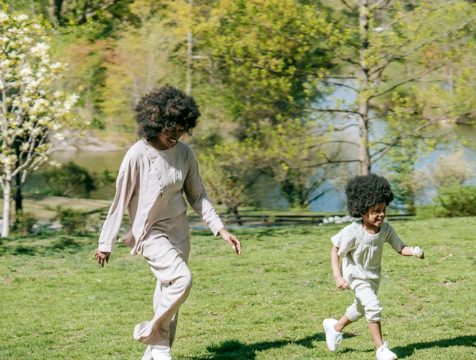
Social interaction during walking can also strengthen the sense of harmony. Walking with friends, family, or pets adds companionship, conversation, and shared enjoyment to the experience. Movement in the company of others encourages connection and communication in a relaxed setting, enhancing social bonds while supporting emotional well-being. Even solitary walks contribute to a sense of community when observed alongside other walkers or through awareness of one’s neighborhood and environment. The balance between personal reflection and social engagement mirrors the balance found in walking itself, further supporting a feeling of harmony.
Breathing and posture play a subtle but important role in fostering harmony during walks. Walking naturally encourages deeper, more rhythmic breathing, which oxygenates the body and calms the nervous system. Proper posture supports spinal alignment and joint mobility, creating a sense of ease and comfort. These physiological aspects of walking not only improve physical health but also contribute to mental and emotional alignment, allowing for a full experience of harmony in body and mind. The simplicity of paying attention to breath and posture demonstrates how walking can integrate multiple layers of well-being simultaneously.
Walking provides space for reflection and emotional processing, both of which are essential for inner harmony. The quiet moments that arise during a stroll allow for contemplation of challenges, gratitude for daily experiences, or acknowledgment of personal growth. These periods of reflection are unhurried, gentle, and restorative. They give the mind time to process emotions, reduce stress, and approach situations with clarity. By integrating walking into daily life, these opportunities for reflection become consistent, supporting sustained emotional balance and a harmonious mindset.
The pace of walking itself is an important contributor to harmony. Moving at a comfortable speed allows for a balance between physical activity and relaxation. There is no need to race or push the body beyond its limits; instead, the pace encourages a gentle rhythm that aligns energy, thought, and awareness. This pacing fosters patience and presence, qualities that naturally enhance a sense of inner peace. The steady movement reinforces a connection to one’s body and environment, creating a holistic experience that promotes overall harmony.
Walking also encourages gratitude, which complements feelings of balance and peace. Taking time to notice the details around you—a blooming flower, the pattern of sunlight, the sound of birdsong—cultivates appreciation for everyday life. This practice of noticing and valuing small moments encourages a mindset that is aligned with harmony, emphasizing contentment and acceptance rather than striving or stress. Over time, these experiences shift perspective, fostering a balanced and centered approach to life.
The accessibility of walking contributes to its harmonizing effects. It does not require special equipment, a gym membership, or a specific skill set. Walks can be incorporated into daily routines at any time, whether morning, midday, or evening. This accessibility allows individuals to prioritize movement without disruption or complication, integrating harmony into the rhythm of everyday life. The ease of walking ensures that opportunities for balance, reflection, and presence are always within reach, reinforcing the alignment of mind, body, and environment.
Walking also strengthens the connection between mind and body. Awareness of footsteps, posture, and breath integrates physical sensation with mental focus. The coordination of movement, rhythm, and observation fosters a sense of unity, where body and mind feel aligned and cooperative. This holistic awareness supports emotional regulation, reduces tension, and encourages a more fluid approach to challenges. The alignment achieved through walking becomes a model for harmony that can extend into other areas of life, influencing interactions, decision-making, and personal well-being.
Consistency enhances the harmonious benefits of walking. Regular walks, even if brief, create reliable opportunities for reflection, exercise, and sensory engagement. This consistency establishes a routine of balance, reinforcing the sense that movement, attention, and presence are integral to daily life. As the practice becomes habitual, harmony shifts from being a temporary experience to a sustained state, influencing how the mind and body respond to stress, demands, and change. Regular walking cultivates resilience, patience, and inner alignment, contributing to a life that feels steady, calm, and balanced.
Walking can also awaken creativity and inspiration, further supporting a sense of harmony. As thoughts settle and the mind becomes more relaxed, new ideas often emerge naturally. The combination of gentle movement, sensory engagement, and mental clarity fosters conditions that allow creativity to flow. This creative openness reinforces feelings of balance and connection, offering a sense of purpose and possibility. Harmony arises not only from calm and presence but also from the integration of thought, inspiration, and action.
Ultimately, walking nurtures harmony because it simultaneously addresses physical, mental, and emotional well-being. The rhythmic movement supports the body, the mindful awareness supports the mind, and the reflective, sensory experience supports emotional balance. Each element reinforces the others, creating a holistic sense of alignment and peace. Whether walking alone or with companions, in nature or urban surroundings, the act of walking provides a simple and profound path to feeling centered and harmonious.
Incorporating walking into daily life transforms routine moments into opportunities for connection, reflection, and balance. By slowing down, noticing surroundings, and engaging the body with gentle rhythm, walking fosters a sense of presence, alignment, and inner peace. The combination of physical stimulation, mental clarity, and emotional renewal cultivates harmony that resonates beyond the walk itself, enhancing overall quality of life.
Walking reminds us that balance and well-being are not always achieved through complex routines or grand gestures. Sometimes the simplest practices, like stepping outside and moving through the world with awareness, are the most effective. Through regular walking, the body, mind, and spirit find rhythm, alignment, and tranquility. This gentle, intentional practice nurtures harmony, allowing everyday life to feel calmer, more balanced, and deeply connected. Each walk becomes a moment of integration, a small but significant step toward a life that feels unified, peaceful, and harmonious.