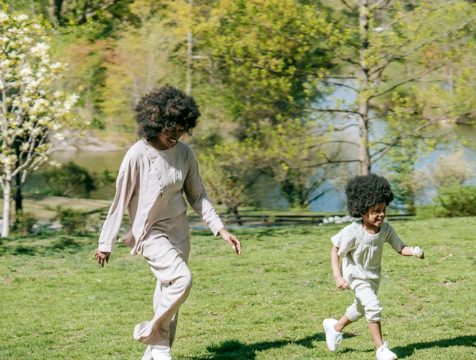
Running is often celebrated as one of the simplest forms of exercise, yet its impact on long-term wellness extends far beyond burning calories or improving cardiovascular fitness.
Consistent running offers a combination of physical, mental, and emotional benefits that contribute to a healthier, more balanced life.
By understanding how running influences the body and mind, individuals can appreciate its value not only as a form of exercise but as a lifestyle choice that promotes enduring wellness.
Physically, running strengthens the cardiovascular system. The heart becomes more efficient at pumping blood, and circulation improves, which can lower blood pressure and reduce the risk of heart disease. Lungs adapt to increased demand, improving oxygen exchange and overall respiratory function. Over time, these adaptations make daily activities easier, from climbing stairs to carrying groceries, while reducing the risk of chronic illnesses. A strong cardiovascular system supports energy levels, resilience, and long-term vitality.
Muscle strength and endurance are also enhanced through running. Regular motion engages the legs, core, and even upper body, particularly when maintaining proper form. This leads to stronger muscles, improved balance, and increased joint stability. Strong muscles and joints reduce the risk of injury both in sports and in daily life, while also supporting bone density, which is especially important for long-term skeletal health. The repeated, controlled stress that running places on bones encourages adaptation, helping prevent conditions such as osteoporosis over time.
Weight management is another way running contributes to long-term wellness. Consistent running boosts metabolism and helps regulate body composition by supporting fat loss and muscle maintenance. Beyond aesthetics, maintaining a healthy weight reduces stress on the joints, improves mobility, and decreases the risk of conditions such as diabetes and metabolic syndrome. Combined with a balanced diet, running provides a natural, effective means of supporting healthy body composition across a lifetime.
Running also enhances flexibility and mobility when paired with stretching and strength work. The repetitive, controlled movements encourage joint range of motion, particularly in the hips, knees, and ankles. Incorporating dynamic stretches before runs and gentle stretching afterward promotes muscle elasticity, reduces stiffness, and supports efficient movement patterns. Greater flexibility and mobility not only improve running performance but also reduce the likelihood of injuries and facilitate easier movement in everyday life.
Mental health benefits of running are significant and well-documented. Running stimulates the release of endorphins, which are natural mood enhancers, helping to reduce stress, anxiety, and symptoms of depression. The rhythmic motion and focus on breathing create a meditative effect that can calm the mind and enhance clarity. Over time, consistent running strengthens mental resilience, improving the ability to handle challenges both on and off the track. This combination of physical exertion and mental focus makes running a powerful tool for emotional well-being.
Cognitive function can also be supported through regular running. Research suggests that cardiovascular exercise, including running, promotes improved brain health by increasing blood flow, supporting neurogenesis, and enhancing memory and learning. These benefits may help preserve cognitive function as people age, supporting mental sharpness, decision-making, and focus over the long term. For older adults, running can be a proactive way to maintain independence and mental agility.
Sleep quality often improves with regular running, which further supports long-term wellness. Exercise promotes deeper, more restorative sleep cycles, allowing the body and mind to recover effectively. Better sleep enhances mood, energy levels, and overall health, creating a positive feedback loop that supports continued exercise and daily activity. Consistent rest also allows muscles and joints to repair, reducing soreness and preparing the body for future runs.
Another aspect of running that supports wellness is its role in building discipline and routine. The commitment to regular running encourages time management, goal setting, and personal accountability. These habits often extend beyond exercise, promoting healthier eating patterns, consistent sleep schedules, and balanced lifestyles. Establishing a routine around running reinforces a proactive approach to wellness, making it easier to sustain healthy behaviors over time.
Social connection is an often-overlooked benefit of running. Participating in group runs, running clubs, or local events fosters a sense of community and belonging. Social support enhances motivation, provides encouragement, and creates opportunities for shared experiences. Engaging with a running community can reduce feelings of isolation, improve mood, and contribute to overall emotional wellness, making the practice of running both physically and socially rewarding.
Long-term wellness through running also involves adaptability and progression. Over the years, individuals can adjust running intensity, distance, or frequency to match changing fitness levels, health considerations, and lifestyle demands. Low-impact options such as trail running or treadmill work can be incorporated to maintain cardiovascular health without excessive strain on joints. Flexibility in training ensures that running remains a sustainable and effective form of exercise throughout different stages of life.
Running also teaches valuable lessons about patience and perseverance. Improvement is gradual, requiring consistent effort and dedication. Experiencing incremental progress in endurance, speed, or mental toughness fosters a sense of accomplishment and builds confidence. These lessons carry over into other areas of life, encouraging resilience, problem-solving, and a positive approach to challenges. The discipline developed through running becomes a cornerstone of long-term personal growth and well-being.
Moreover, running provides a connection with the environment that promotes mindfulness and appreciation of surroundings. Outdoor runs expose individuals to sunlight, fresh air, and natural landscapes, which can improve mood, provide vitamin D, and reduce feelings of stress. Observing seasonal changes, exploring new routes, or simply enjoying the rhythm of footsteps creates a mindful experience that supports emotional and mental balance. This connection with nature enhances overall wellness beyond the physical benefits of exercise.
Injury prevention is an essential aspect of using running to support long-term wellness. Beginners and experienced runners alike benefit from proper warm-ups, stretching, strength training, and gradual progression. Paying attention to technique and listening to the body helps avoid overuse injuries and ensures that running remains a sustainable activity. Preventing setbacks allows individuals to continue reaping physical, mental, and emotional benefits consistently over time.
Nutrition and hydration complement the wellness benefits of running. Fueling the body appropriately before and after runs supports energy levels, recovery, and muscle maintenance. Balanced nutrition enhances performance, while adequate hydration ensures optimal physiological function. Integrating running with thoughtful dietary habits reinforces overall health, creating a holistic approach to long-term wellness.
Finally, running offers a sense of accomplishment and empowerment. Each completed run represents effort, determination, and self-care. Celebrating milestones, whether running a certain distance, improving pace, or maintaining consistency, reinforces positive behavior and motivates continued commitment. This sense of achievement contributes to self-esteem, emotional stability, and long-term motivation to maintain an active lifestyle.
Running is far more than a physical activity; it is a comprehensive practice that supports long-term wellness on multiple levels. Its benefits include cardiovascular strength, muscular endurance, weight management, flexibility, mental clarity, emotional stability, improved sleep, cognitive health, social connection, and resilience. By approaching running thoughtfully and consistently, individuals can integrate it into a sustainable lifestyle that promotes health, vitality, and well-being for years to come.
With proper planning, awareness, and balance, running becomes a lifelong tool for maintaining and enhancing overall wellness. It encourages a harmonious connection between body and mind, fosters healthy habits, and creates opportunities for both personal growth and social engagement. Understanding and embracing these benefits ensures that running remains not just exercise, but a meaningful practice that supports long-term health, happiness, and quality of life.