Creating Meaningful Reflection Opportunities for Students
In a world that often feels fast-paced and overwhelming, the importance of reflection cannot be overstated, especially for students navigating their academic journeys.
Reflection is not just an academic exercise; it’s a vital component of personal growth and understanding.
By integrating meaningful reflection opportunities into the educational experience, we can help students develop critical thinking skills, enhance their emotional intelligence, and foster a deeper connection to their learning.
A gentle invitation to pause
Reflection encourages students to step back and consider their experiences. This pause allows them to process their thoughts and feelings, leading to greater self-awareness. It can be easy for students to get caught up in the rush of assignments, tests, and extracurricular activities, often neglecting the opportunity to think about what they’ve learned or how they’ve grown. By creating structured moments for reflection, educators can invite students to slow down and engage with their thoughts in a more meaningful way.
Incorporating reflective practices into the classroom can take various forms. Journaling, for instance, provides a private space for students to express their thoughts and feelings. It can be as simple as writing about what they learned that day or reflecting on a particular challenge they faced. This practice allows students to articulate their thoughts, helping them to clarify their understanding and emotions.
Another approach involves guided discussions. These can take place in small groups or as a whole class. When students share their reflections with peers, they not only reinforce their own learning but also gain diverse perspectives. This exchange can deepen their understanding and foster a sense of community within the classroom.
Finding balance through reflection
Creating opportunities for reflection is not just about academic success; it’s also about nurturing emotional well-being. Students often face a myriad of pressures, and reflection can serve as a tool for managing stress and anxiety. By encouraging them to take a step back and evaluate their feelings, educators can help students find balance amidst their busy lives.
Mindfulness practices can be integrated into the school day to support this balance. Simple breathing exercises or short meditation sessions can create a calming environment that encourages students to connect with themselves. These moments of mindfulness can serve as a bridge to deeper reflection, allowing students to explore their inner thoughts and feelings without judgment.
Reflection can also be tied to goal-setting. When students take the time to think about their aspirations and what they want to achieve, they become more intentional about their actions. This process can involve identifying short-term and long-term goals and reflecting on the steps needed to reach them. Regular check-ins on these goals can create a sense of accountability and motivation, further enhancing their educational experience.
A nurturing space for exploration
Creating an environment that encourages reflection requires a thoughtful approach. Educators can cultivate a safe space where students feel comfortable sharing their thoughts and experiences. This can be achieved by fostering open communication, practicing active listening, and modeling vulnerability. When students witness their teachers reflecting on their own experiences, it creates a culture of authenticity that encourages them to do the same.
Incorporating reflective practices into different subjects can also enrich the learning experience. For instance, in a literature class, students can reflect on how a particular character’s journey relates to their own lives. In a science class, they might consider how a recent experiment changed their understanding of a concept. This cross-disciplinary approach can help students see the connections between their studies and their personal experiences, enriching their overall educational journey.
Encouraging creativity in reflection
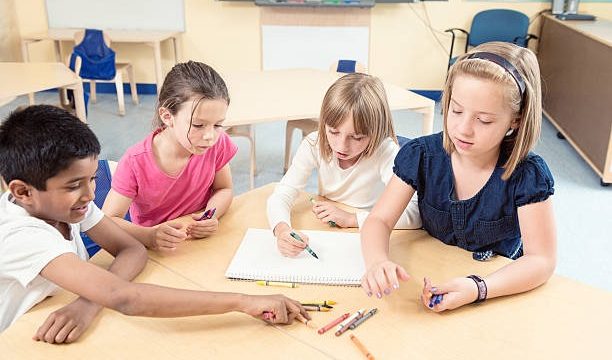
While traditional reflection methods have their place, incorporating creativity can make the process even more engaging. Students can express their reflections through various artistic mediums, such as drawing, poetry, or even digital storytelling. These creative outlets can provide a unique way for students to explore their thoughts and emotions, offering them a chance to express themselves beyond the confines of written language.
Artistic reflection allows students to tap into their imagination and personal experiences, creating a deeper connection to the material. For example, a student might create a visual representation of their feelings about a recent project, using colors and shapes to convey their emotions. This not only makes reflection more enjoyable but also reinforces their learning in a memorable way.
Embracing the journey of self-discovery
Ultimately, the goal of creating reflection opportunities is to support students on their journey of self-discovery. As they engage in reflective practices, they learn to understand themselves better, recognizing their strengths, weaknesses, and areas for growth. This process fosters resilience, as students become more adept at navigating challenges and setbacks.
Encouraging students to embrace their unique journeys can have a profound impact on their personal and academic lives. By cultivating a mindset of reflection, they learn to appreciate their experiences, both positive and negative, as valuable lessons that contribute to their growth.
As educators and mentors, we have the privilege of guiding students through this transformative process. By intentionally creating meaningful reflection opportunities, we can help them develop the skills they need to thrive not only in school but also in life. In a world that often encourages rushing, let us be the gentle voices reminding students to pause, reflect, and embrace the beauty of their individual journeys.